
Views: 0 Author: Site Editor Publish Time: 2026-11-13 Origin: Site


Are city potholes ruining your daily commute? Cracked asphalt and uneven pavement cause severe rider fatigue. Rigid frames transfer every single bump directly into your hands, knees, and spine. What should be an enjoyable ride quickly becomes an exhausting ordeal.
This comprehensive guide breaks down exactly how advanced suspension technology solves these physical challenges. We will dive deep into the hydraulic engineering required to transform a jarring journey into a premium, buttery-smooth ride.
Hydraulic Superiority: Fluid dynamics allow hydraulic forks to dissipate kinetic energy efficiently. This objectively outperforms traditional mechanical spring systems in damping harsh impacts.
Comfort and Safety: A precisely engineered suspension setup drastically reduces physical rider fatigue. It simultaneously maintains critical tire-to-ground contact for superior steering and braking control.
Engineering Insights: Oil-based damping actively manages both the compression and rebound phases of a shock. This eliminates the uncontrollable bouncing associated with basic friction springs.
Buying Guidance: Evaluating suspension travel distance, preload adjustability, and terrain compatibility are non-negotiable steps when selecting an advanced micro-mobility vehicle.
In the rapidly evolving realm of micro-mobility, the suspension system serves as the critical intermediary between the rider and the unforgiving road surface. Cruising past 15 miles per hour transforms even the smallest pavement crack into a significant source of kinetic energy. The primary role of a suspension system is to absorb this upward force. It must dissipate that energy before it ever reaches the scooter deck or the rider's body. Without this mechanical intervention, your skeletal system acts as the impact dampener. This inevitably leads to rapid discomfort and potential long-term joint strain.
To truly grasp the value of suspension, we must contrast it with a standard rigid frame. Rigid setups rely entirely on the pneumatic properties of the tires to cushion the ride. Large, low-pressure tires certainly offer a baseline level of shock absorption. However, they fundamentally lack the mechanical travel required to swallow deep potholes or sharp curbs.
Feature | Rigid Frame Scooter | Suspended Frame Scooter |
|---|---|---|
Impact Absorption | Limited entirely to tire compression. | Utilizes mechanical travel via springs and hydraulics to absorb heavy impacts. |
Ride Quality | Harsh on uneven surfaces with high vibration transfer. | Smooth and controlled, isolating the rider from road feedback. |
Traction Control | Tires frequently bounce off the ground over bumps. | Downward force keeps tires firmly planted on the pavement. |
Maintenance Requirement | Lower maintenance due to fewer moving parts. | Requires periodic inspection of wiper seals and linkages. |
Recent mobility sector data reveals a sharp pivot in commuter priorities. Consumers are bypassing basic elastomer setups in favor of automotive-grade chassis dynamics. Market analyses indicate that daily urban riding—with its unpredictable potholes and construction plates—requires true mechanical damping to remain viable for long-term use. Manufacturers are rapidly abandoning stiff, bare-bones designs. Instead, they are integrating complex suspension geometries borrowed directly from the motorcycle sector. Smooth ride engineering is no longer a luxury tier. It has become the baseline standard for any serious commuting vehicle.
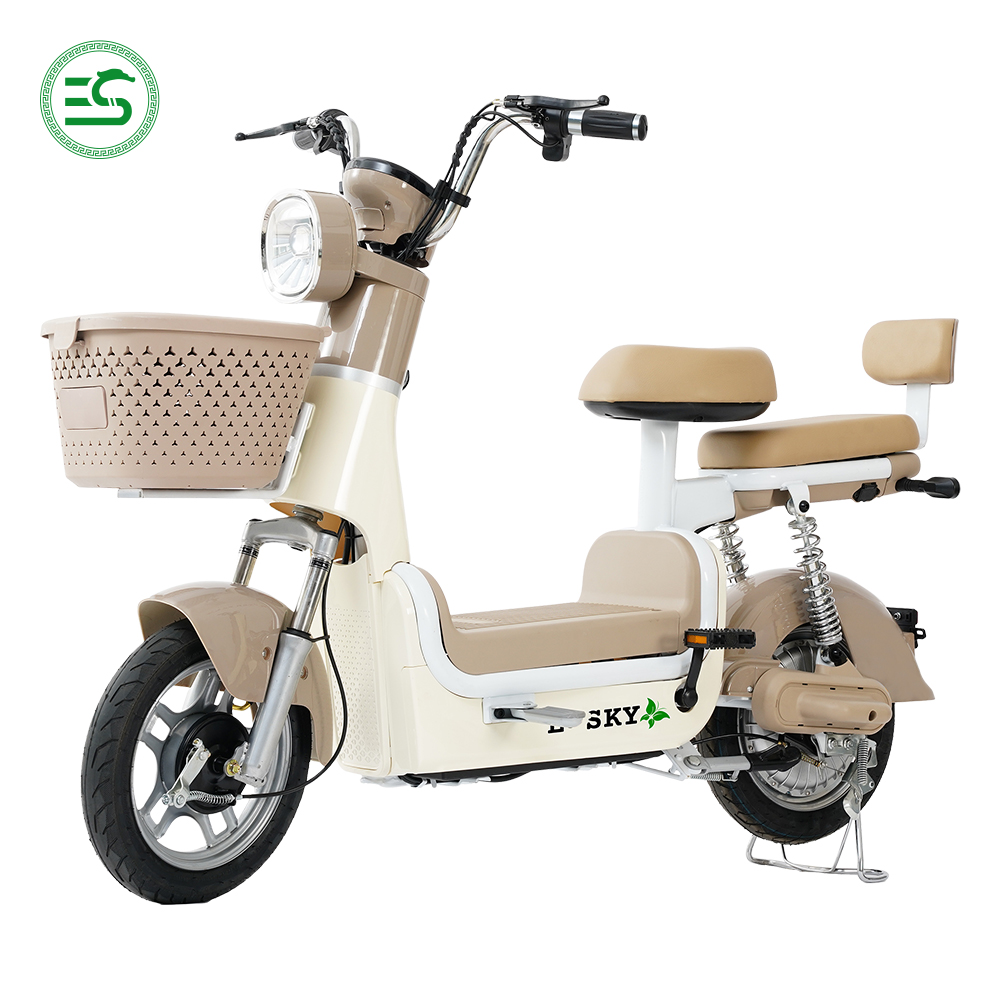
When evaluating a modern fork electric scooter, distinguishing between basic mechanical springs and true hydraulic suspension is paramount. Basic mechanical springs merely store kinetic energy upon compression. They immediately release that force back into the chassis. This unchecked energy transfer creates a frustrating pogo-stick effect, where the front end bounces multiple times after striking a single obstacle.
By contrast, hydraulic suspension introduces a sophisticated damping mechanism. It still utilizes a metal coil or pressurized air chamber to support rider weight. However, it relies on a sealed cartridge of specialized hydraulic oil to dictate the exact speed at which that spring compresses and extends.
The engineering magic behind a hydraulic fork relies heavily on fluid dynamics. Inside the fork stanchions—the shiny upper tubes—and the lower legs, a piston moves through a bath of hydraulic fluid. This piston contains precisely machined orifices and flexible metal shims.
Imagine hitting a two-inch pavement lip at 18 mph. The fork compresses instantly. This action forces the hydraulic oil through microscopic holes. Liquids are largely incompressible, so squeezing the oil through a narrow restriction creates immense resistance. This resistance converts the kinetic energy of the bump into a trace amount of thermal heat. The heat then safely dissipates through the metal chassis. This specific process is known as compression damping, and it prevents the fork from bottoming out violently.
Furthermore, when the spring pushes the fork back to its original length, the oil is forced back through a different set of valves. This rebound damping ensures the wheel returns to the asphalt smoothly. It completely eliminates the uncontrolled bouncing effect that plagues cheaper models.
The front wheel acts as the leading edge of your vehicle. It takes the initial and most severe brunt of any road hazard. A dual-stanchion fork configuration provides exceptional lateral stiffness. This ensures the wheel tracks perfectly straight even under heavy cornering loads. Managing this initial impact efficiently is absolutely critical. If the front suspension fails to absorb a shock, the resulting deflection can violently twist the steering column and instantly compromise your balance.
The most immediate benefit of hydraulic forks is their unparalleled shock absorption capability. Picture yourself navigating a stretch of centuries-old cobblestone or an unexpected construction zone. A finely tuned hydraulic system is sensitive enough to iron out high-frequency road chatter. Simultaneously, it maintains enough structural support to handle dropping off a curb. This dynamic responsiveness ensures the deck remains relatively level. It effectively isolates your knees and spine from jarring, repetitive forces.
Suspension is frequently viewed solely as a luxury comfort feature. In reality, its primary engineering purpose is to maximize traction. For an electric scooter to brake effectively or carve through a turn safely, the rubber must maintain continuous contact with the ground.
When a rigid scooter hits a bump mid-corner, the entire chassis launches slightly into the air. This causes a momentary and highly dangerous loss of grip. Hydraulic forks actively push the front wheel down the backside of a bump. This ensures the tire contact patch remains glued to the asphalt. Constant ground contact translates to highly predictable handling, allowing you to lean into turns with absolute confidence.
Prolonged exposure to road vibrations leads to Hand-Arm Vibration Syndrome. On a rigid scooter, high-frequency oscillations travel directly up the steering column into your hands, wrists, and shoulders. Over a standard 30-minute commute, this triggers a numb sensation, muscle fatigue, and noticeably reduced grip strength.
Hydraulic forks act as a highly effective mechanical filter. They dampen these specific frequencies before they ever reach the handlebars. Drastically reducing the physical toll of riding allows commuters to arrive at their destination feeling refreshed rather than battered.
Emergency braking on a two-wheeled vehicle involves intense physics. Longitudinal weight transfer occurs the moment you grab the brake levers aggressively. The combined mass of the rider and the scooter shifts violently forward, heavily loading the front tire.
If a scooter lacks front suspension, this sudden weight transfer can easily overwhelm the front tire grip. This often leads to a disastrous front-wheel skid. Hydraulic forks mitigate this by compressing in a controlled manner, a phenomenon known as brake dive. The damping circuit slows down the rate of compression. This allows the weight transfer to happen smoothly and progressively. Controlled loading expands the tire contact patch and significantly reduces your overall stopping distance.
Striking an unseen hazard at high speed is a terrifying situation for any rider. On poorly suspended vehicles, the impact force takes the path of least resistance. The front wheel violently deflects to one side. This sudden jerking motion is known as handlebar kickback, and it can easily wrench the grips right out of your hands.
A properly damped hydraulic fork absorbs the longitudinal force of the impact. It allows the wheel to move vertically over the obstacle rather than deflecting laterally. Keeping the steering geometry stable empowers you to maintain a straight trajectory without fighting the handlebars.
Industry safety analysts increasingly categorize robust suspension as a fundamental active safety system. Just as anti-lock braking systems prevent wheel lockup, hydraulic suspension prevents traction loss and steering deflection. Riders navigate chaotic traffic alongside cars and pedestrians daily. The ability to maintain absolute control over unpredictable surfaces is a non-negotiable safety requirement.
Hydraulic systems offer vastly superior performance, yet they do require basic periodic maintenance to function at their peak. The most vulnerable components of a fork are the wiper seals. These are the rubber rings located where the shiny upper tubes slide into the lower legs.
These seals are meticulously designed to keep the hydraulic oil inside while keeping abrasive dust, dirt, and moisture out. After riding in wet or dusty conditions, you must wipe down the stanchions with a clean microfiber cloth. Allowing grit to accumulate causes micro-scratches on the metal. These scratches will eventually tear the rubber seals and lead to messy fluid leaks.
Riders should perform a brief visual and mechanical inspection of their suspension every few weeks. Key indicators that a hydraulic fork requires servicing include:
Oil Rings: A thick, wet ring of oil left on the stanchion after the fork compresses indicates a failing wiper seal. A microscopic film of oil is normal for lubrication, but pooling is a clear warning sign.
Loss of Damping: The scooter may suddenly feel excessively bouncy. You might hear a metallic clunk when the fork extends rapidly. This means the internal oil level is low or the damping cartridge has ingested air.
Bottoming Out: The fork might frequently hit the end of its travel with a harsh impact during normal riding. This suggests the internal spring has degraded or the oil viscosity has broken down.
Despite occasional maintenance needs, hydraulic systems offer superior long-term durability compared to cheaper friction-based shocks. Elastomers harden and crack over time, especially when exposed to UV light and temperature fluctuations. Cheap friction springs wear away their internal metal housings and create irreversible mechanical play. A well-maintained hydraulic fork operates with internal fluid lubrication, drastically reducing metal-on-metal wear. With regular seal replacements, a high-quality hydraulic fork easily outlasts the lifespan of the scooter battery.
Selecting the optimal suspension setup begins with an objective assessment of your primary riding environment. Riders strictly navigating well-paved city streets and dedicated bike lanes usually require shorter travel, such as 40mm to 60mm. Shorter travel keeps the scooter center of gravity low. This enhances nimbleness and reduces overall vehicle weight.
Conversely, your commute might involve poorly maintained industrial roads, gravel paths, or frequent transitions over curbs. These harsh environments demand longer suspension travel, typically 80mm to 120mm, to absorb larger impacts without bottoming out.
When reviewing specifications for a highly capable vehicle like the Hydraulic Fork Electric Scooter E-Bike Short Trip, look closely at the adjustability features and load capacities. Premium hydraulic forks offer two critical tuning parameters:
Preload Adjustment: This allows you to increase or decrease the initial tension on the internal spring. Proper preload ensures the scooter sits at the correct height under your specific body weight. This maximizes the available mechanical travel.
Damping Adjustment: High-end models feature external dials to adjust the flow rate of the hydraulic oil. You can make the suspension feel stiffer for high-speed road riding or softer for bumpy, uneven terrain.
Furthermore, checking the structural payload is vital. A robust hydraulic fork system should comfortably support a rider weight of up to 120 kilograms while maintaining full damping efficiency.
If you have the opportunity to test ride a scooter before purchasing, the rebound test is the ultimate indicator of suspension quality. Stand next to the scooter, firmly apply the front brake, and push down hard on the handlebars to compress the front fork. Then, abruptly let go.
A poor-quality spring system will snap back aggressively. It often bounces the front tire right off the ground. A high-quality hydraulic system will compress smoothly and return to its original position in a controlled, deliberate motion. There will be no secondary bouncing. This simple physical test immediately reveals the presence and effectiveness of internal fluid damping.
Upgrading the front-end mechanics is a massive step toward achieving a premium riding experience. However, true micro-mobility engineering requires a comprehensive look at the entire vehicle chassis. The front suspension does not operate in a vacuum. It is part of a complex, dynamic system that manages kinetic energy, rider weight distribution, and variable road conditions. To fully appreciate the impact of a premium fork electric scooter, you must understand how front-end hydraulic damping integrates with the rest of the vehicle architecture.
When you ride an electric scooter, your center of gravity is relatively high compared to the short wheelbase. This unique geometry means that every time you accelerate, brake, or hit a bump, there is a significant transfer of weight. Engineers refer to this as dynamic load transfer.
Hydraulic systems mitigate harsh load transfers by utilizing oil viscosity to slow down the compression rate. The fluid inside the fork acts as a buffer. It absorbs the forward kinetic energy and keeps the chassis level. This controlled dive prevents you from being thrown off balance.
A holistic ride experience relies entirely on the synergy between the front and rear of the scooter. The front wheel encounters an obstacle, and the hydraulic fork absorbs the initial primary impact. Milliseconds later, the rear wheel must navigate that exact same obstacle.
Pairing a highly advanced front hydraulic system with a completely rigid rear frame creates a phenomenon known as bucking. The front glides over the bump smoothly, but the rear kicks up harshly. This transfers shock directly through the deck. Professional-grade engineering solves this by balancing the suspension travel and rebound rates at both ends of the vehicle. This creates a unified platform that dissipates energy evenly.
In vehicle dynamics, unsprung mass refers to the weight of the components not supported by the suspension system. This includes the wheels, tires, and the lower sections of the forks. Keeping unsprung mass as low as possible is crucial. A heavier wheel assembly is much harder for the suspension to control after a sharp impact.
Hydraulic forks are precisely engineered to manage unsprung mass efficiently. High-end manufacturers utilize aerospace-grade aluminum alloys for the lower fork legs. This ensures they are robust enough to withstand impact without adding unnecessary dead weight. The hydraulic fluid internals are calibrated to react instantly to the upward acceleration of this mass. The tire returns to the ground immediately.
To better understand the value of integrated suspension systems, let us evaluate how various setups handle standard urban commuting challenges.
Suspension Configuration | Shock Absorption Capability | High-Speed Stability | Maintenance Requirement | Ideal Terrain |
|---|---|---|---|---|
Rigid Fork | Very Low. Relies entirely on tire compression. | Poor. High risk of handlebar deflection on bumps. | Zero. No moving parts to service. | Perfectly smooth asphalt only. |
Front Spring Only | Moderate. Absorbs initial shock but rebounds quickly. | Fair. Can feel bouncy at higher speeds. | Low. Occasional lubrication needed. | Sidewalks and well-maintained city streets. |
Front Hydraulic Fork Only | High. Smooth, controlled compression and rebound. | Good. Keeps the front wheel planted during braking. | Moderate. Requires periodic seal inspections. | Urban environments with potholes and light gravel. |
Dual Hydraulic | Exceptional. Isolates the rider entirely from road vibration. | Excellent. Maximum traction and cornering control. | High. Requires fluid changes and seal maintenance. | Mixed-terrain, cobblestones, and off-road paths. |
Hydraulic components represent a higher initial manufacturing cost. However, their inclusion is a calculated engineering decision that dramatically extends the lifespan of the entire vehicle. Constant vibration is the primary enemy of sensitive electrical components. When a scooter lacks adequate damping, high-frequency road chatter transmits directly into the battery housing, motor controllers, and delicate wiring harnesses.
Investing in superior hydraulic damping is not merely purchasing physical comfort. You are investing in structural preservation. The fluid dynamics that protect your wrists and joints simultaneously protect the sensitive electronics housed within the steering column and deck. This ultimately lowers the total cost of ownership over the operational life of the vehicle.
Investing in a scooter equipped with a hydraulic suspension system is a game-changer for daily riders. Precision engineering ensures safety, durability, and a significantly more enjoyable commuting experience. Advanced damping protects your scooter frame from harsh road impacts while simultaneously reducing stress on your joints during long rides. If you are ready to eliminate commute fatigue and gain absolute control over urban terrain, explore Esky-vehicle's specialized short-trip e-bikes. Prioritizing quality suspension technology guarantees a truly smooth, reliable, and fatigue-free journey every time you step onto the deck.
Yes, objective data and engineering principles strongly suggest that hydraulic suspension is worth the additional upfront investment. Rigid scooters or those with cheap mechanical springs transfer massive amounts of kinetic energy directly into the frame. Over thousands of miles, this constant vibration leads to metal fatigue and potential failure of internal electronic connections. The hydraulic system acts as a structural safeguard. It dissipates shock energy through fluid friction. Consequently, riders typically experience fewer mechanical failures, spend less on replacement parts, and enjoy a significantly longer vehicle lifespan.
The fundamental difference lies in how kinetic energy is managed and dissipated. A standard mechanical spring system compresses to absorb an impact and then immediately releases that stored energy. This results in a rapid, uncontrolled bouncing effect. Hydraulic suspension utilizes fluid dynamics to control both the compression and the rebound phases. Inside the fork, a piston pushes oil through precisely calibrated microscopic valves to create resistance. This results in a highly controlled, plush ride that keeps the tire firmly planted on the ground.
Upgrading a rigid or spring-based scooter to a hydraulic fork is technically possible in some aftermarket scenarios. However, it is generally not recommended from a structural engineering standpoint. Electric scooter frames are designed with specific geometry. Installing an aftermarket hydraulic fork can alter this delicate geometry. This potentially leads to dangerous high-speed wobbles or sluggish steering. For optimal safety and structural integrity, it is heavily advised to purchase a vehicle that comes factory-engineered with a hydraulic system already integrated.
The maintenance schedule depends heavily on your riding environment and frequency of use. For daily urban commuters, a basic visual inspection should be conducted every three to six months to check for cracked seals or oil weeping. For the internal mechanics, a professional service is generally recommended every 1,500 to 2,000 miles. This involves draining the old hydraulic fluid, replacing the internal seals, and refilling the system with fresh suspension oil.
Yes, incorporating a hydraulic suspension system inherently adds weight to the electric scooter compared to a rigid design. The addition of steel stanchions, aluminum lowers, internal pistons, and hydraulic oil typically adds between two to five kilograms to the total mass of the vehicle. However, this localized weight penalty is a worthwhile trade-off. The added mass is situated low on the vehicle, which actually improves high-speed stability. The ability to safely navigate rough terrain vastly outweighs the slight reduction in portability.
Adjusting the preload requires turning the adjustment dials located at the top of the fork stanchions. Turning the dial clockwise compresses the internal spring, making the suspension stiffer for heavier riders or aggressive braking. Turning it counterclockwise relaxes the spring for a softer ride. You should adjust the preload so that the suspension compresses by roughly twenty percent of its total travel when you stand naturally on the deck.
While suspension does not directly puncture-proof a tire, it drastically reduces the likelihood of pinch flats. A pinch flat occurs when a tire hits a sharp edge, like a pothole, and compresses so violently that the inner tube gets pinched against the metal wheel rim. Hydraulic forks absorb the bulk of that sudden impact energy. This prevents the tire from taking the full force of the blow, thereby extending the life of your pneumatic tires.


