
Views: 0 Author: Site Editor Publish Time: 2026-11-13 Origin: Site


Micro-mobility is rapidly changing how we navigate urban transit networks. It transforms the mundane daily commute into an efficient, open-air experience. Stepping onto the deck and pressing the throttle feels incredibly intuitive. Yet, understanding the mechanical and electrical systems beneath your feet separates a casual rider from a responsible, informed owner. Whether you use a powered electric scooter for short urban trips or weekend rides, grasping how its internal components collaborate is essential. This technical knowledge helps you maximize the lifespan of the vehicle, ride with greater safety, and troubleshoot basic faults with absolute confidence.
System Synergy: A motorized deck relies on a seamless, high-speed connection between the throttle sensor, speed controller, battery pack, and hub motor.
Voltage Dictates Performance: Proper charging habits and a high-voltage architecture, such as a robust 60V system, are crucial for maximizing torque and overall range.
Preventative Maintenance: Routine checks on tire pressure, brake cable tension, and battery thermal health will save owners significant downtime and repair costs.
Riding Physics: Knowing how to properly balance your center of gravity and modulate the brakes ensures a safe ride across unpredictable city pavement.
Strategic Upgrading: Choosing the ideal commuter vehicle involves balancing raw motor output, structural portability, and intended daily mileage.
To truly appreciate the ride quality, one must first look at the underlying hardware. A modern micro-mobility device is a complex integration of mechanical parts and advanced solid-state electronics. By breaking down these core components, riders can better understand how their machine operates under daily stress.
When you face a steep overpass on your way to work, the motor determines whether you glide up effortlessly or end up kicking the pavement to assist. The motor converts electrical energy into mechanical rotation. In this industry, brushless direct current hub motors built directly into the center of the wheels are the standard. They are fully enclosed. This design protects the sensitive copper stator coils and neodymium magnets from street moisture and dirt, drastically reducing your maintenance chores.
Motor power is measured in watts. A 250W motor is generally adequate for flat, paved environments. However, if your route involves steep inclines or you carry a heavy backpack, stepping up to a 500W or 1000W motor provides the necessary torque. This prevents the powertrain from bogging down under a heavy load.
Hidden beneath the deck, the battery pack dictates the maximum range and overall longevity of your 60V powered electric scooter. Today's commuter vehicles almost exclusively utilize high-density lithium-ion cell arrays. Engineers favor these cells for their exceptional energy density and relatively low weight profile.
When evaluating this energy reservoir, you must look at capacity measured in Ampere-hours and system voltage. Higher voltage systems provide superior electrical efficiency. They allow the motor to achieve higher torque without drawing excessive current. Lower current draw keeps the internal wiring and battery cells from overheating during a strenuous summer commute.
The speed controller is an electronic circuit board acting as the central motherboard. Its primary function is to route the precise amount of direct current from the battery to the motor, based entirely on how hard you press the thumb paddle. Using Pulse Width Modulation, the controller rapidly switches power on and off thousands of times per second. This rapid switching ensures your acceleration is smooth and linear, rather than a jerky, uncontrollable burst of speed.
Hearing a sharp metallic squeak when you pull the brake lever means your mechanical system requires immediate attention. Mechanical disc brakes provide the highest stopping power and heat dissipation. This makes them ideal for navigating unpredictable city traffic. In contrast, electronic brakes use the motor itself to slow the vehicle down via electromagnetic drag, though they should always be paired with a mechanical backup system.
Tires dictate your direct connection to the road surface. Solid tires are completely immune to punctures but transfer every harsh bump directly to your spine. Pneumatic air-filled tires offer superior suspension and grip. They perform exceptionally well on slightly damp asphalt, making them the preferred choice for daily riders seeking comfort.
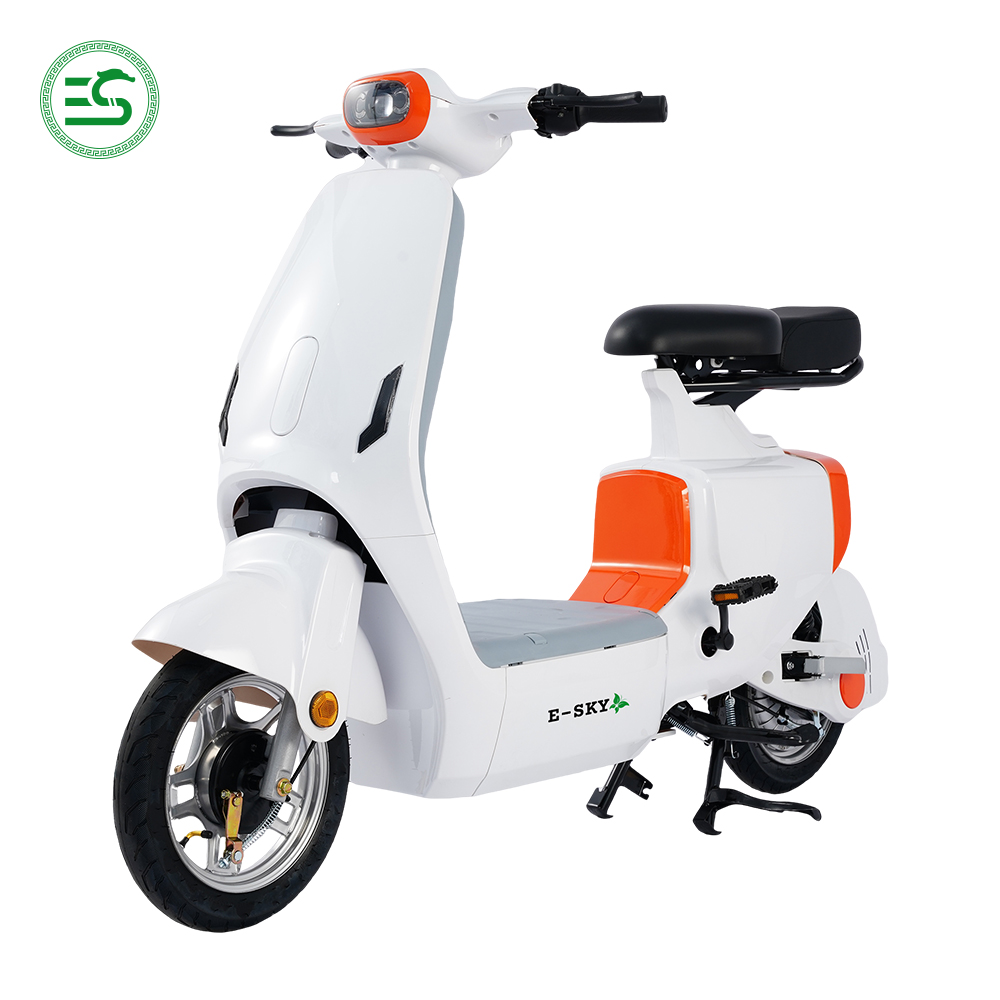
Moving from static hardware to dynamic motion involves a fascinating sequence of physics and electronics. This entire process happens in a fraction of a second.
The acceleration sequence ignites the exact moment your thumb presses the paddle. Most modern throttles utilize a solid-state Hall effect sensor that detects microscopic changes in a magnetic field. As you push down, a small magnet moves closer to the sensor. This sends a proportional voltage signal down the stem's wiring harness directly to the speed controller. This signal tells the motherboard exactly how much speed and torque you are demanding.
Upon receiving the throttle's command, the controller draws electrical energy from the lithium-ion pack. It sends these precise electrical pulses to a series of electromagnets located inside the stationary part of the motor. As these coils energize in a rapid, alternating sequence, they create a rotating magnetic field. This field pushes against permanent magnets attached to the wheel's outer shell. The resulting magnetic repulsion forces the wheel to spin, propelling you forward.
Regenerative braking is a clever engineering feature where the hub motor temporarily acts as a generator. When you engage the electronic brake lever, the forward momentum of your body forces the wheel to continue spinning the motor. The system converts this kinetic energy back into electricity. This creates a strong electromagnetic drag that slows you down smoothly. While it will not fully recharge a dead battery, it recaptures a small percentage of energy and significantly reduces the physical wear on your mechanical brake pads.
As urban centers become increasingly congested, industry analysts note a definitive shift in how consumers view micro-mobility. Recent market evaluations highlight that these vehicles are no longer perceived merely as recreational gadgets. They have evolved into vital components of the daily transportation ecosystem. The current engineering trend heavily favors models equipped with higher voltage architectures and intelligent battery management systems.
Commuters are demanding greater thermal efficiency and structural durability to handle daily wear and tear. Consequently, the market is moving rapidly away from disposable, low-tier models. Manufacturers are now prioritizing robust, commuter-grade vehicles that deliver long-term reliability and consistent power over flashy, non-essential aesthetics.
Range anxiety remains a common hurdle for many urban commuters. While manufacturers advertise maximum ranges based on ideal testing conditions, real-world mileage is heavily influenced by how and where you ride.
Several physical and environmental variables demand more energy from the lithium cells. Heavier payloads force the motor to draw higher current to maintain momentum. Similarly, riding up steep hills drastically increases electrical consumption compared to coasting on flat ground. Furthermore, under-inflated tires create high rolling resistance. This acts like a subtle anchor, forcing the powertrain to work much harder just to maintain a standard cruising speed.
To preserve the chemical health of your cells, adopt strict charging rituals. First, avoid letting the battery indicator drop completely to zero. Deep discharges degrade cell capacity permanently over time. Second, do not plug the charger in immediately after a long, aggressive ride. The cells generate friction heat during rapid discharge, and charging them while hot causes severe thermal degradation. Allow the deck to cool at room temperature for at least thirty minutes before plugging it into the wall outlet.
Operating a two-wheeled motorized deck requires a different physical approach than riding a traditional bicycle. Mastering the basics prevents unnecessary accidents and reduces structural stress on the folding mechanism.
The most stable way to ride is by adopting a staggered skateboard stance. Place one foot near the front of the deck and angle your rear foot toward the back fender. This stance lowers your center of gravity and provides a significantly wider base of support. It allows you to shift your body weight dynamically in response to sudden stops or rapid bursts of speed.
Sudden, panicky movements are the leading cause of wiped-out riders. When accelerating, lean your body weight slightly forward to counteract the backward physical force. Conversely, when squeezing the brake levers, lean your hips slightly backward and bend your knees. Transferring your weight to the rear wheel prevents the back tire from skidding out. This technique eliminates the terrifying risk of flipping over the handlebars during an emergency stop.
Urban environments are obstacle courses filled with potholes, wet leaves, and uneven pavement. Keep your eyes focused fifteen to twenty feet ahead to anticipate hazards early. When approaching a bump, bend your knees so your legs act as natural shock absorbers. Exercise extreme caution on painted road lines and metal utility covers. These surfaces become incredibly slick with even a single drop of morning dew.
A well-maintained machine is a safe machine. Implementing a quick weekly checklist prevents minor annoyances from escalating into expensive shop repairs.
For pneumatic tires, checking the air pressure weekly is absolutely non-negotiable. Proper inflation ensures optimal range and crisp steering handling. Riding on soft tires makes the steering feel sluggish. More importantly, it makes the inner tube highly susceptible to pinch flats upon striking a sharp curb or deep pothole.
As brake pads wear down through daily friction, the hand levers will begin to feel loose and spongy. Regularly inspect the steel cable tension and twist the barrel adjusters to keep the brake bite point highly responsive. If your stopping distance increases noticeably despite cable adjustments, it is time to swap out the resin pads entirely.
Regular wipe-downs prevent road grit from grinding into the wheel bearings and the stem folding latch. However, never clean your machine with a high-pressure water hose. Pressurized water can easily bypass the rubber seals and fry the motherboard. Instead, use a damp microfiber cloth. For winter storage, keep the battery around half capacity and store the unit indoors. Extreme cold temporarily paralyzes lithium chemistry, while extreme heat causes irreversible capacity damage.
Responsible ownership extends far beyond mechanical upkeep. It encompasses personal physical protection and civic awareness.
The absolute necessity of a certified crash helmet cannot be overstated. While a standard bicycle helmet suffices for casual neighborhood cruising, a full-face helmet is strongly recommended if your machine exceeds twenty miles per hour. Additionally, wearing reinforced riding gloves protects your hands from severe road rash. High-visibility clothing ensures motorists spot you clearly during dusk commutes.
Legislation varies wildly from city to city. Ignorance of the law is not a valid defense against a traffic citation. Proactively research whether your municipality prohibits sidewalk riding, mandates the use of designated bike lanes, or enforces strict speed caps in downtown commercial districts.
As you transition from a weekend joyrider to a daily commuter, the limitations of entry-level devices become glaringly obvious. Upgrading requires evaluating technical specifications rather than just sleek exterior designs.
For reliable urban travel, system voltage is the ultimate deciding factor. Budget 36V systems often suffer from voltage sag. This is a frustrating drop in top speed and torque when the battery dips below half capacity. Upgrading to a 60V architecture completely mitigates this issue. The higher voltage allows the motor to pull less current to achieve the exact same power output. This means the electronics run cooler and climb hills with aggressive consistency, even when the battery gauge is low.
When selecting an upgrade, aligning the hardware with your daily route is critical. Below is a breakdown of how standard entry-level models compare to high-voltage commuter systems.
Specification Feature | 36V Entry-Level Systems | 60V Commuter-Grade Systems |
|---|---|---|
Top Speed Sustainability | Drops noticeably after 50% battery depletion due to voltage sag. | Maintains consistent speed and acceleration until near full depletion. |
Hill Climbing Torque | Struggles on inclines above 10 degrees; requires manual kicking. | Powers up steep overpasses effortlessly without bogging down. |
Thermal Management | Higher current draw leads to hot wiring and controller thermal throttling. | Lower current draw keeps internal electronics cool during long rides. |
Ideal Use Case | Flat neighborhood roads and occasional recreational weekend use. | Daily stop-and-go city traffic and demanding urban commuting. |
When selecting a commuter upgrade, you must balance the heavy weight of large batteries against your daily logistical needs. For those seeking a dependable, high-performance option tailored for daily reliability, exploring models like the powered electric scooter for short distance trips provides an optimal middle ground. These specific 60V configurations deliver the durable torque required for stop-and-go traffic without compromising the structural integrity needed for years of reliable service.
Ultimately, a reliable micro-mobility vehicle is a brilliant synergy of battery chemistry, motor efficiency, and smart controller routing. By understanding the core mechanics beneath the deck, you empower yourself to treat the vehicle with the rigorous care it requires. Consistent maintenance and disciplined charging habits ensure optimal performance and rider safety for years to come. Always ride responsibly, wear your protective gear, and if you are ready to elevate your daily transit routine, explore a robust 60V powered electric scooter engineered specifically for the harsh demands of the modern commute.
The ability to operate in wet conditions depends entirely on the vehicle's Ingress Protection rating. While many modern models are water-resistant, this only protects against light splashes. They are rarely fully waterproof. Deep puddles can force water into the wheel hubs, potentially corroding the stators or short-circuiting the battery management system. Furthermore, wet asphalt drastically reduces tire traction. It is always best to avoid heavy rain and wipe down the deck manually if you get caught in a sudden drizzle.
The lifespan of a lithium-ion pack is measured in total charge cycles. Most high-quality batteries endure between three hundred and five hundred full charge cycles before experiencing noticeable capacity degradation. For a daily commuter, this typically translates to an operational lifespan of three to five years. You can extend this lifespan significantly by keeping the charge state between twenty and eighty percent and storing the unit in a temperature-controlled environment.
Yes, you can operate it as a traditional kick scooter if you run out of power. However, you will feel a mild physical resistance known as cogging torque. Because the hub motor relies on powerful permanent magnets, pushing the wheel manually forces those magnets past unpowered copper coils, creating electromagnetic drag. It is feasible to kick it home, but it will be noticeably heavier and more exhausting than a non-motorized version.
A sudden loss of speed usually stems from voltage sag, thermal throttling, or mechanical friction. As the battery drains, its voltage output drops, which physically limits the motor's maximum RPM. Alternatively, if you are climbing a long hill on a hot day, the controller might intentionally reduce power to prevent the internal electronics from melting. Finally, always check for under-inflated tires or a misaligned brake pad rubbing against the steel rotor, as both create massive mechanical drag.
Charging costs are incredibly low compared to traditional gas vehicles. To calculate the cost, multiply the battery voltage by its amp-hour rating to get watt-hours, divide by one thousand to get kilowatt-hours, and multiply that by your local electricity rate. For a standard commuter model, a full charge from zero to one hundred percent typically costs only a few cents, making it one of the most cost-effective transportation methods available.
Yes, provided you select a model engineered for higher payload capacities. Entry-level models typically max out at a payload of two hundred and twenty pounds. Exceeding this limit strains the motor, drains the battery rapidly, and risks snapping the stem. Heavy adults should look for dual-motor setups, heavy-duty tubular frames, robust suspension systems, and a payload rating of at least three hundred pounds to ensure a safe and stable ride.


