
Views: 0 Author: Site Editor Publish Time: 2026-11-13 Origin: Site


Struggling to choose between a pedal-assisted cycle and a stand-up motorized board? The modern market is flooded with confusing options for your daily commute. This overwhelming variety makes it feel like a massive dilemma for first-time buyers. Trying to find the perfect eco-friendly transit solution often leaves consumers caught in a web of technical jargon and flashy marketing campaigns.
Most buying guides only highlight basic specifications like top speed and retail price. Unfortunately, they completely ignore the gritty, day-to-day realities of ownership. Hallway storage constraints, proprietary maintenance costs, and confusing local traffic laws are rarely discussed. This lack of practical insight leaves many riders frustrated and full of regret after their first month on the road.
In this comprehensive guide, we strip away the marketing fluff. We will reveal the hidden differences between these popular micromobility vehicles from a structural and engineering perspective. By exploring real-world scenarios, we help you figure out exactly which model fits your specific lifestyle. This empowers you to make a confident, long-lasting purchasing decision today.
Before diving into the technical specifications, let us look at where the industry is heading. Recent market analysis shows a massive consumer shift toward hybrid micromobility solutions. Commuters are increasingly abandoning flimsy, ultra-lightweight kick scooters. Instead, they favor seated, higher-capacity vehicles. This transition is largely driven by a growing demand for longer commute ranges and robust suspension systems. Aging, pothole-ridden city infrastructure demands better shock absorption. As urban centers rapidly expand their dedicated bike-lane networks, sales for moped-style crossover vehicles have surged. Today's buyers want genuine car-replacement alternatives, not just recreational toys.
The term itself often causes immediate confusion for beginners. Sometimes, it refers to comparing two entirely different vehicles. Other times, it describes a single, crossover category of electric mobility. Understanding these subtle structural nuances is the crucial first step toward making a smart financial investment.
A traditional e-bike mimics the familiar geometry and feel of a standard bicycle but integrates a battery-powered motor to assist your pedaling efforts. Most standard models utilize a pedal assist system. This mechanism delivers a surge of power based on how hard you push the pedals. Certain variations also feature a thumb or twist throttle. This allows you to cruise effortlessly without moving your legs at all. Characterized by their larger pneumatic tires, multi-gear drivetrains, and reinforced frames, these cycles offer superior stability and efficiency over long distances.
Conversely, stand-up scooters are engineered for pure urban agility. They feature a minimalist flat deck for your feet, a vertical steering stem, and significantly smaller wheels. Because they lack pedals entirely, they are strictly operated via a hand throttle. Their ultra-compact, often foldable design makes them the undisputed champions of last-mile commuting. You can easily tuck one under an office desk or slide it into a cramped hallway closet.
Recently, the industry has witnessed a massive rise in seated, moped-style crossover vehicles. These hybrids ingeniously combine the plush, seated comfort of a moped with the frame architecture and pedal-assist functionality of a traditional bicycle. Many city commuters gravitate toward these models because they feel remarkably more stable in heavy traffic than standing boards. Yet, they remain easier to mount and operate than high-end mountain bikes. If you are looking for a reliable daily driver, exploring an Electric Bike Scooter can dramatically upgrade your transit experience.
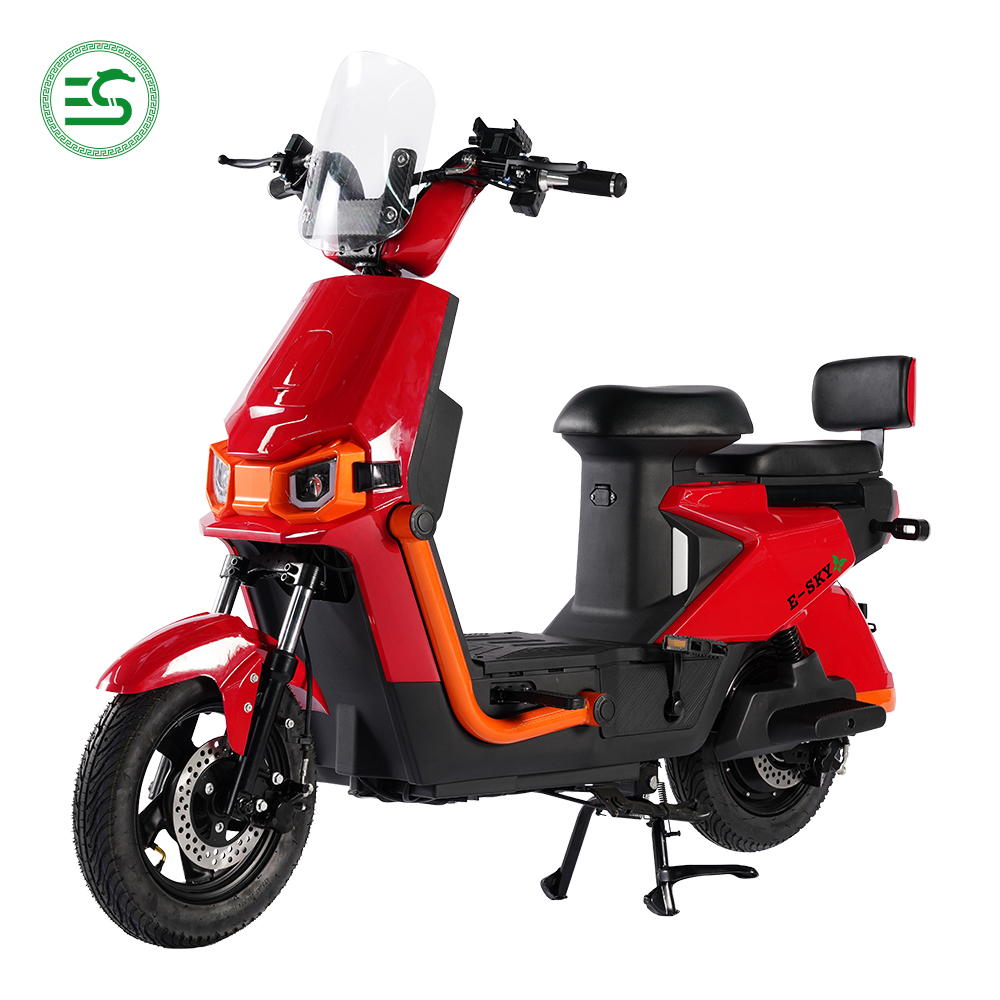
Beyond the polished brochure specifications, there is a harsh reality to daily ownership that most retailers conveniently skip over. Here is what you actually need to know about component engineering and daily logistics before handing over your hard-earned money.
At their core, e-bikes are still bicycles. The vast majority of their wearable components follow universal cycling industry standards. This includes chains, brake pads, cassettes, and spokes. When something breaks, you can roll it into almost any local neighborhood bike shop for a quick, affordable tune-up. Stand-up scooters, on the other hand, heavily rely on proprietary hardware. If a specialized motor controller fails or the folding mechanism snaps, you cannot simply buy a generic replacement. You may find yourself stuck waiting weeks for specialized parts to ship directly from an overseas manufacturer. This leads to expensive and frustrating downtime.
The concept of portability is frequently misunderstood by eager buyers. While a stand-up device can be effortlessly tossed into a car trunk or carried onto a crowded subway car, folding e-bikes are surprisingly bulky. Even models marketed as highly portable can easily tip the scales at 50 to 70 pounds due to heavy battery cells and reinforced tubing. Unless you have a dedicated ground-floor garage or a highly secure outdoor rack, you must seriously consider the physical toll. Hauling a heavy, awkward frame up three flights of narrow apartment stairs every single evening is a major logistical hurdle.
If your goal is to arrive at the office looking sharp and smelling fresh, the specific vehicle you select matters immensely. Traditional pedal-assist cycles can still be physically demanding. This is especially true if you rely on low-assist modes or encounter steep headwinds. However, opting for a throttle-ready Smooth Electric Bike Scooter for City Riding allows you to glide through bustling city streets with zero physical exertion. This ensures your professional attire remains pristine and sweat-free, eliminating the need for a mid-morning office shower.
When rubber finally meets the road, real-world performance is the only metric that truly dictates your satisfaction. Here is how these distinct vehicle classes compare when subjected to the daily grind.
In the battle of endurance, larger two-wheelers almost always win. Their frames provide ample space for massive battery packs. In addition, they benefit directly from your pedaling input. This combination can often double or even triple the effective range of a standard kick scooter. For instance, a robust setup featuring a 48V 14Ah battery yields about 672 Watt-hours of usable energy. This easily pushes past the 40-mile mark on a single charge. Nevertheless, buyers must remember that environmental variables are ruthless. Extreme winter cold, heavy rider weight, and constant stop-and-go traffic can aggressively slash the advertised range of any electric vehicle by twenty percent or more.
The tiny, solid wheels commonly found on ultra-portable scooters can be incredibly treacherous. Navigating uneven pavement, gravel, or unexpected potholes becomes a dangerous balancing act due to the lack of unsprung weight absorption. Conversely, the larger pneumatic air-filled tires equipped on traditional and hybrid bikes absorb jarring road vibrations beautifully. When it comes to conquering steep inclines, motor torque is your best friend. A 500W to 750W brushless gear hub motor provides the essential pulling power needed for urban inclines. This mechanically superior setup leverages the bike's momentum to climb effortlessly.
Feature | Traditional E-Bike | Stand-Up E-Scooter | Hybrid Moped-style |
|---|---|---|---|
Stability | High | Low | High |
Portability | Low | High | Moderate |
Range | Excellent | Average | Good to Excellent |
Terrain | Highly Versatile | Smooth Urban Only | Urban and Light Trails |
Before you enthusiastically hit the public streets, it is imperative to verify your local transit laws. You do not want to unknowingly risk a hefty fine or vehicle impoundment.
Most North American jurisdictions neatly categorize e-bikes into three distinct classes based on top speed and how the motor engages. Class 1 and 2 bikes are typically capped at 20 mph. These are universally welcomed in designated bike lanes and multi-use paths. E-scooter legislation, unfortunately, remains notoriously fragmented. Some municipalities strictly ban them from sidewalks to protect pedestrians. Neighboring towns might treat them exactly like manual bicycles. Always double-check if your specific high-speed hybrid model crosses the threshold requiring DMV registration or a valid driver’s license.
Structural stability is undoubtedly your primary safety net. The inherently lower center of gravity provided by a standard bicycle frame or a seated hybrid delivers vastly superior balance. This is much safer compared to the awkward, upright standing posture required by a scooter. Regardless of the specific form factor you choose, you must prioritize models equipped with bright integrated lighting and functional turn signals. In dense, unpredictable city traffic, these visibility features are absolutely non-negotiable.
Making a final, regret-free purchasing decision requires looking past the manufacturer's flashy specification sheet. You must brutally analyze your actual daily routine. To determine the most logical investment, categorize your primary use case into one of these three distinct commuter profiles.
If your daily journey involves traveling very short distances, portability is your absolute highest priority. This also applies if you need to seamlessly integrate your ride with public transportation systems like subways and buses. A lightweight, foldable stand-up device is the most practical choice here. Weighing around 30 pounds, it minimizes the logistical friction of the last mile. This allows you to carry it effortlessly up transit stairs.
When a commute stretches beyond five miles, standing rigidly on a narrow deck quickly becomes physically agonizing. A long-distance rider desperately requires ergonomic support, cargo capacity for laptops or groceries, and a robust battery. For those prioritizing structural endurance, investing in an Electric Bike Scooter provides a highly efficient, comfortable solution. These hybrids allow you to navigate extensive urban sprawls without physical exhaustion. They absorb the harsh impacts of uneven roads along the way.
If your motivation extends beyond mere transportation to include weekend fitness and off-road exploration, a fat-tire mountain e-bike is your optimal match. Unlike throttle-reliant devices, pedal-assist systems require active human effort. This allows riders to customize their cardiovascular workout. Engineered with reinforced frames and aggressive tire treads, these versatile machines handle dirt trails, gravel paths, and steep inclines with incredible ease.
Do not allow yourself to be distracted by sleek paint jobs or aggressive marketing. Instead, focus intently on these three technical components. They guarantee long-term satisfaction, safety, and mechanical reliability.
Electric motors are measured in watts. While a 250W motor may suffice for a lightweight rider on perfectly flat terrain, the 500W to 750W range is the undeniable sweet spot for city dwellers facing moderate to steep hills. Furthermore, motor placement dictates the ride feel. Hub motors, located in the center of the wheel, are cost-effective and straightforward. Mid-drive motors, positioned between the pedals, are more efficient and balanced. However, they are typically reserved for premium, high-budget builds.
Never judge a battery solely by its voltage. To uncover the true range potential, look for Watt-hours. You calculate this by multiplying Voltage by Amp-hours. For instance, a 48V 14Ah battery yields 672 Watt-hours of usable energy. Just as importantly, strictly ensure the battery carries a recognized UL certification, such as UL 2271 or UL 2849. This guarantees the volatile lithium-ion cells have passed rigorous independent testing. It prevents terrifying thermal runaway and fire hazards.
High speeds are only safe if paired with immediate, reliable stopping power. Because electric rideables are significantly heavier than manual bicycles, standard rim brakes are entirely insufficient. If you are purchasing a heavy-duty Smooth Electric Bike Scooter, hydraulic disc brakes are a mandatory upgrade. They use enclosed fluid to multiply your grip force. This provides weather-resistant stopping power with minimal hand effort. Paired with a front-fork suspension, they ensure maximum tire traction during sudden emergency stops.
An electric vehicle is a serious investment in your daily mobility. While the initial retail price tag is a major consideration, savvy buyers must calculate the total cost of ownership over a three-to-five-year lifespan.
The barrier to entry for a stand-up device is undeniably lower. Reliable commuter models start between $400 and $800. In stark contrast, a durable e-bike or seated hybrid generally demands an upfront investment ranging from $1,000 to $2,500. However, budget scooters frequently suffer from dismal lifespans. Their rigid frames transfer every road shock directly into the internal electronics. This often renders them unrepairable after just two years. E-bikes, built on proven bicycle architecture, absorb these shocks efficiently. This results in far fewer catastrophic failures and a vastly superior return on investment.
Vehicle Type | Average Upfront Cost | Est. Annual Maintenance | Expected Lifespan |
|---|---|---|---|
Stand-Up E-Scooter | $400 - $800 | $50 - $100 | 1 - 3 Years |
Standard E-Bike | $1,000 - $2,500 | $100 - $200 | 3 - 5+ Years |
Hybrid E-Bike Scooter | $1,200 - $2,800 | $100 - $150 | 3 - 5+ Years |
Asset depreciation is another vital financial factor. Because traditional e-bikes utilize standardized cycling components, secondary buyers feel confident purchasing them used. They know local shops can service them. This keeps their resale value relatively high. Furthermore, they are incredibly modular. Owners can easily bolt on cargo racks, plush saddles, or child seats as their lifestyle changes. Scooters are generally as-is appliances. They depreciate rapidly the moment they roll out of the box.
Choosing the perfect micromobility device requires a delicate balancing act. You must weigh your need for lightweight portability against your desire for long-distance comfort. If your daily route is brief and heavily involves public transit, a compact stand-up model is your best ally. However, for those conquering longer distances, the ergonomic stability, cargo capacity, and robust battery life of a seated hybrid remain completely unmatched.
Take the time to evaluate your specific commute distance. Prioritize essential safety features like hydraulic brakes and UL-certified batteries. Invest in a high-quality build designed to withstand years of daily use. Ready to leave traffic jams in the rearview mirror? Start your search today with models specifically engineered for urban efficiency. To explore top-tier options that blend comfort with raw commuting power, check out the Electric Bike Scooter lineup at Esky-vehicle and transform your daily commute today.
Most high-quality micromobility devices feature an Ingress Protection rating designed to withstand light, passing rain. An IPX4 rating indicates resistance to water splashes, while IPX5 can handle low-pressure jets. However, neither rating means the vehicle is fully waterproof. Riding through heavy, sustained downpours or submerging the hub motor in deep street puddles can permanently short-circuit the battery controller. This will immediately void your manufacturer's warranty.
This depends entirely on your local municipality and the vehicle's specific legal classification. In most regions, standard Class 1 and 2 e-bikes are capped at 20 mph and under 750W. They are treated exactly like manual bicycles, requiring zero registration or insurance. However, high-speed moped hybrids that exceed 28 mph often cross the legal threshold into motor vehicle territory. This potentially requires a valid driver's license, DOT-approved helmets, and liability insurance. Always consult your local DMV guidelines before riding.
Ergonomic design and crash data heavily suggest that seated hybrids and e-bikes are significantly safer for novices. They offer a lower, inherently stable center of gravity, a comfortable seated position, and large pneumatic tires. These tires typically range from 20 to 26 inches, effortlessly rolling over cracked pavement and debris. Stand-up boards have a notoriously high center of gravity and tiny tires. This makes them highly susceptible to violent forward pitches if the front wheel catches a small crack.
The functional lifespan of a standard lithium-ion battery is measured in charge cycles. Most reputable, brand-name batteries are rated for 500 to 1,000 full charge cycles before their maximum holding capacity degrades to eighty percent of its original state. For the average daily commuter, this translates to roughly three to five years of reliable use. To maximize longevity, avoid storing the battery in freezing garages and try to keep the daily charge level floating between twenty and eighty percent.
Yes, provided the hybrid is legally classified as an e-bike and features a functional chain drivetrain with pedals. However, you must be realistic about the physical experience. Moped-style crossover vehicles often weigh between 65 and 90 pounds. They feature a relaxed, seated geometry optimized for throttle cruising rather than efficient leg extensions. While pedaling a dead hybrid home will certainly prevent you from being stranded on the roadside, the immense weight and lack of motor assistance will turn the ride into a highly strenuous cardiovascular workout.
Speed capabilities largely depend on the motor wattage and local firmware restrictions. Most commuter-focused hybrids are programmed as Class 2 vehicles, offering a top throttle speed of 20 mph. Premium models equipped with 750W motors can often be unlocked to Class 3 specifications, allowing pedal-assisted speeds up to 28 mph. It is crucial to match the vehicle's top speed with the flow of your local urban traffic for maximum safety.
Absolutely. One of the primary engineering advantages of a moped-style hybrid is its reinforced tubular frame. Unlike flimsy kick scooters that often max out at a 220-pound payload, robust hybrid models frequently support 300 to 350 pounds. When combined with hydraulic suspension and fat tires, they provide a highly stable and comfortable ride for heavier individuals or those carrying heavy cargo.


