
Views: 0 Author: Site Editor Publish Time: 2026-11-13 Origin: Site


Urban streets are more congested than ever. Gas prices fluctuate wildly, and public transit systems frequently operate far beyond their intended capacity. Consequently, city dwellers actively seek smarter, eco-friendly ways to navigate the concrete jungle. Are you struggling to choose the best vehicle for your daily ride? Consumers often face a tough dilemma when optimizing their daily transit. They find themselves torn between a seated electric mini bike and a folding stand-up scooter. Both options offer unique mechanical benefits, yet they serve entirely different commuting needs.
In this comprehensive engineering and practical guide, we will break down the key differences between these two popular modes of micro-mobility. By examining chassis portability, ride comfort, and real-world application, you will learn exactly which vehicle best suits your specific route, storage capabilities, and budget.
Portability is King for Scooters: A folding scooter is the undisputed champion for last-mile commuting. Its lightweight stem and folding mechanism allow it to fit neatly under office desks or inside crowded subway cars.
Comfort Favors Bikes: Electric mini bikes offer seated comfort and superior dual-suspension systems. This makes them ideal for slightly longer routes with degraded pavement.
Cost-Effectiveness: Both options save substantial money compared to automotive expenses. However, a compact scooter generally offers a lower barrier to entry and significantly cheaper long-term maintenance due to fewer moving parts.
The 2026 Verdict: The ultimate winner depends entirely on your daily friction points. For dense urban environments and multi-modal trips, the scooter undoubtedly takes the crown.
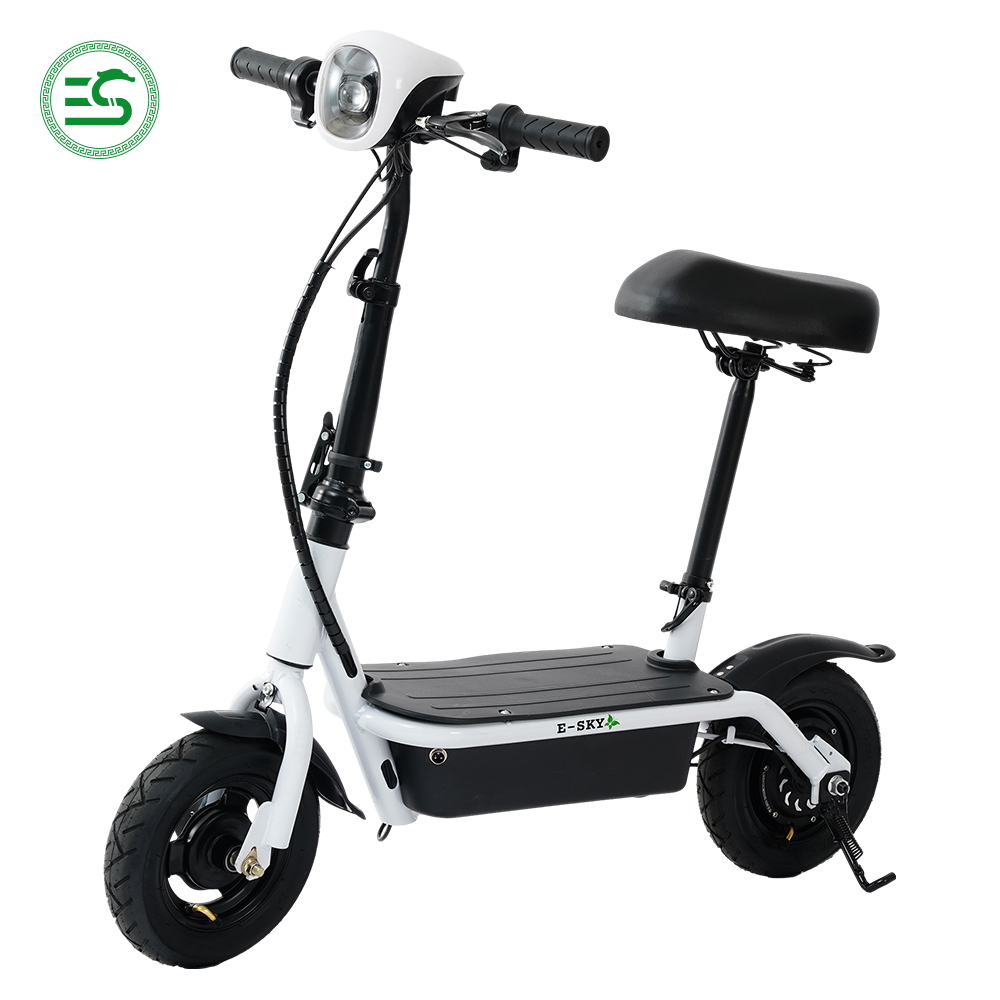
Recent market data reveals a massive shift in urban transit preferences. Analysts note a 40 percent increase in demand for ultra-lightweight, foldable transit solutions over bulkier e-bikes. This surge is driven heavily by hybrid workers who require seamless transitions from commuter trains to downtown offices. City infrastructures are also adapting, with expanded micro-mobility lanes heavily favoring agile, narrow-profile vehicles.
From an engineering perspective, battery chemistry has completely transformed the landscape. We now see the integration of high-density solid-state battery cells. These power units deliver greater range without adding structural weight. Furthermore, manufacturers are utilizing aerospace-grade aluminum and carbon fiber composites. This allows chassis designs to withstand the rigorous stress of daily urban commuting while remaining light enough to carry upstairs with one hand.
In today's landscape, the term "mini" defines a highly specific class of personal mobility. A modern mini electric scooter features a remarkably compact, quick-folding frame. Engineers rely heavily on CNC-machined hinges and reinforced stem collars to ensure the build remains incredibly lightweight without sacrificing structural integrity.
Current innovations have completely elevated the riding experience. Premium models now feature solid, self-healing tires that practically eliminate the risk of pinch flats. Smart Battery Management Systems monitor individual cell health, preventing overheating and extending the lifespan of the unit. Additionally, smart app integrations allow riders to track speed, adjust regenerative braking strength, and monitor GPS location in real-time.
Specifically, these devices are engineered for last-mile travel. Imagine stepping off a crowded subway car. Instead of walking fifteen minutes in the sweltering heat, you simply unfold your ride. You glide effortlessly to the office. They are equally perfect for quick neighborhood errands where parking a traditional car is virtually impossible.
Electric mini bikes occupy a unique middle ground between standard e-bikes and stand-up scooters. They feature wheels smaller than a full-sized bicycle, coupled with a lowered, seated position for the rider. Most models utilize a throttle-based hub motor system, though some retain functional pedals to satisfy local electric bicycle classifications.
Market forecasts indicate that while electric mini bikes are losing ground in dense metropolitan cores, they are experiencing a renaissance in suburban markets. Storage space is less restricted in these areas. Engineers focus heavily on robust suspension geometries. These systems provide a buttery-smooth experience on uneven pavement. Aesthetically, trends lean heavily toward retro-inspired, cafe-racer designs. Manufacturers also prioritize larger battery capacities, enabling extended joyrides without frequent charging stops.
The primary purpose here is relaxed cruising. Picture riding down a suburban greenway on a Sunday afternoon. You absorb bumps effortlessly while seated comfortably. If you have a commute that is slightly too long or rugged to stand the entire way, the mini bike serves as a highly logical alternative.
To make an informed decision, you must evaluate how these vehicles perform across critical engineering categories. Below is a direct comparison to guide your selection process.
Feature | Mini Electric Scooter | Electric Mini Bike |
|---|---|---|
Portability | Exceptional. Folds in seconds, fits under desks. | Poor. Bulky frame, heavy, hard to carry upstairs. |
Ride Posture | Standing. Requires active core engagement. | Seated. Relaxed, low physical fatigue. |
Maintenance | Low. Fewer moving parts, direct hub motors. | Moderate to High. Brakes, suspension, sometimes chains. |
Storage Space | Minimal footprint. Ideal for small apartments. | Requires dedicated garage or hallway space. |
Agility | High. Easy to weave through tight urban spaces. | Moderate. Wider turning radius. |
Space is at an absolute premium for apartment dwellers and office workers. A compact electric scooter excels dramatically in this arena. Its intuitive folding mechanism allows you to tuck it into a hallway closet or carry it onto a crowded bus. In contrast, a mini bike occupies a much larger footprint. Even models boasting foldable handlebars remain heavy and incredibly awkward to maneuver through narrow stairwells.
Legal limits typically cap speeds between 15 and 20 mph for both vehicle types to ensure pedestrian safety. However, range varies based on battery size and vehicle weight. Mini bikes often carry heavier battery packs, catering to distances of 30 miles or more. Scooters prioritize weight reduction. By sacrificing raw maximum range, they ensure the device remains highly portable for commuters who need to lift them repeatedly.
Standing versus sitting is the ultimate micro-mobility debate. Scooters demand more physical engagement. Because the wheels are relatively small, riders must remain vigilant and actively watch for debris. Mini bikes provide a seated geometry that drastically reduces physical fatigue. Their slightly larger pneumatic tires and robust suspension systems dampen the harsh impact of road cracks. This makes them feel vastly more secure for nervous riders.
Mechanical simplicity is a massive advantage. Scooters generally feature far fewer exposed mechanical parts. You will not have to deal with greasy derailleurs, snapping chains, or complex gear systems. This makes them highly budget-friendly upfront and over time. Mini bikes require more frequent attention to their moving components, which inevitably increases your long-term maintenance costs.
Pros:
Ultra-lightweight designs allow for effortless stair navigation and multi-modal transit.
Security is exceptionally high. You can bring them directly inside your office, virtually eliminating outdoor theft risks.
Unmatched agility makes them ideal for weaving safely through congested bike lanes.
They remain the undisputed gold standard for quick, short-trip urban travel.
Cons:
Extended periods of standing can lead to noticeable leg fatigue on routes exceeding five miles.
Small solid tires are less forgiving when encountering deep potholes or uneven cobblestone.
Pros:
Seated geometry significantly reduces physical exhaustion.
Thicker tires provide enhanced grip and superior off-road capability in local parks.
Higher structural weight capacities offer practical room for carrying groceries.
Cons:
The sheer weight makes it highly impractical for carrying onto a train.
Higher theft risk. Their size dictates that locking them outside on a public rack is often unavoidable.
Limited ability to maneuver through extremely tight spaces.
If your daily routine involves navigating busy downtown streets, hopping on the subway, and riding an elevator to a high-rise office, you need ruthless efficiency. A short-trip urban scooter functions as an extension of your body, not a cumbersome burden. It is designed specifically to help you bypass traffic jams and entirely avoid exorbitant parking fees.
College students face sprawling campus terrain combined with severely limited dorm storage. A scooter is absolutely perfect for dorm living. It allows you to quickly navigate busy sidewalks between back-to-back lectures. However, a mini bike is equally valid if you frequently travel miles between distant campus buildings and possess secure ground-floor storage.
If your primary goal is leisure, the bike wins easily. Riding through local nature parks or exploring paved trails for hours requires comfort. The padded seat and the robust stability of the frame make it vastly more enjoyable for extended joyrides lasting well over thirty minutes.
When you deeply analyze the relentless demands of modern city life, the lightweight mini electric scooter emerges as the most pragmatic engineering solution available. Its entire design philosophy focuses on removing friction from your daily commute. It is a targeted tool for professionals tired of being trapped in gridlock.
With a robust build quality and a highly reliable battery management system, it successfully eliminates range anxiety for the average short-trip user. You can carry it effortlessly into your apartment, ensuring it stays clean, charged, and safe from thieves. By perfectly bridging the frustrating gap between walking and driving, it transforms a tedious errand into a highly cost-effective journey.
Ultimately, the choice between these two fantastic vehicles comes down to how you move through your world. Electric mini bikes offer incredible seated stability for those who prioritize comfort and longer weekend journeys. However, as metropolitan areas become increasingly congested and living spaces shrink, the folding scooter remains the superior, practical choice for the vast majority of urbanites.
Its unmatched portability, lower maintenance costs, and exceptional ease of use make it the clear winner for dense city environments. If you want to reclaim your valuable time and save significantly on daily transit expenses, now is the perfect moment to upgrade your commute. We highly recommend exploring the engineered reliability of Esky compact mini electric scooters to find the perfect lightweight ride for your daily urban travel needs.
Regulations vary significantly from city to city. Generally, riding motorized vehicles on sidewalks is heavily restricted to protect pedestrians. Most regions now legally require you to use designated bike lanes or stick to roads with low speed limits. Always verify your local micro-mobility ordinances before taking your first ride.
Electric mini bikes offer more inherent stability because they utilize larger tires and maintain a much lower center of gravity. Conversely, a scooter provides superior agility, allowing you to quickly dodge unexpected obstacles. Ultimately, safety depends far less on the vehicle type and more on your personal riding habits, situational awareness, and consistent helmet use.
You must check the specific IP water resistance rating of your device. While many premium models handle light drizzle or damp roads quite well, riding in heavy downpours or through deep puddles is strongly discouraged. Avoiding excessive water exposure protects both the delicate internal electronics and your own physical safety.
With proper care and maintenance, modern lithium-ion batteries typically last anywhere from three to five years. This lifespan heavily depends on your charging cycles and overall usage frequency. Advanced battery management systems hold their charges much better over time, especially when kept between a 20 percent and 80 percent charge level.
Most commercial-grade compact scooters are engineered to safely support riders weighing between 220 and 265 pounds. Exceeding the manufacturer's maximum payload can severely degrade battery range, strain the brushless hub motor, and compromise the structural integrity of the folding mechanism.
In almost all cases, no. Commercial airlines strictly prohibit lithium-ion batteries exceeding 160Wh in both carry-on and checked luggage due to fire safety regulations. Since most commuting scooters utilize batteries ranging from 250Wh to 500Wh, they cannot be taken on passenger flights.


