
Views: 0 Author: Site Editor Publish Time: 2026-10-20 Origin: Site


Unmatched Shock Absorption: Hydraulic fork suspensions utilize advanced fluid dynamics to actively dampen harsh impacts, providing a measurably smoother ride than basic coil springs.
Enhanced Safety and Control: By maintaining consistent tire-to-ground contact, hydraulic systems improve high-speed stability and significantly reduce emergency braking distances.
Precision Adjustability: Premium models allow riders to customize rebound and compression settings, adapting the suspension to specific rider weights and varying terrains.
Long-Term Asset Value: Fluid-based systems are exceptionally durable. They reduce structural wear and tear on the frame, battery pack, and electronic components by minimizing severe vibrations.
Industry analysts tracking urban transit note a definitive evolution in micro-mobility. Electric scooters are rapidly transitioning from short-distance novelty devices into primary commuting vehicles. This shift demands automotive-grade comfort. Manufacturers are moving away from stiff metal springs because the modern commuter requires sustained high-speed stability and fatigue-free ergonomics. Consequently, fluid-based suspension architectures are becoming the gold standard across the industry. Advanced impact mitigation is no longer a luxury. It is a baseline necessity for sustainable daily transit, ensuring riders can navigate complex urban environments safely.
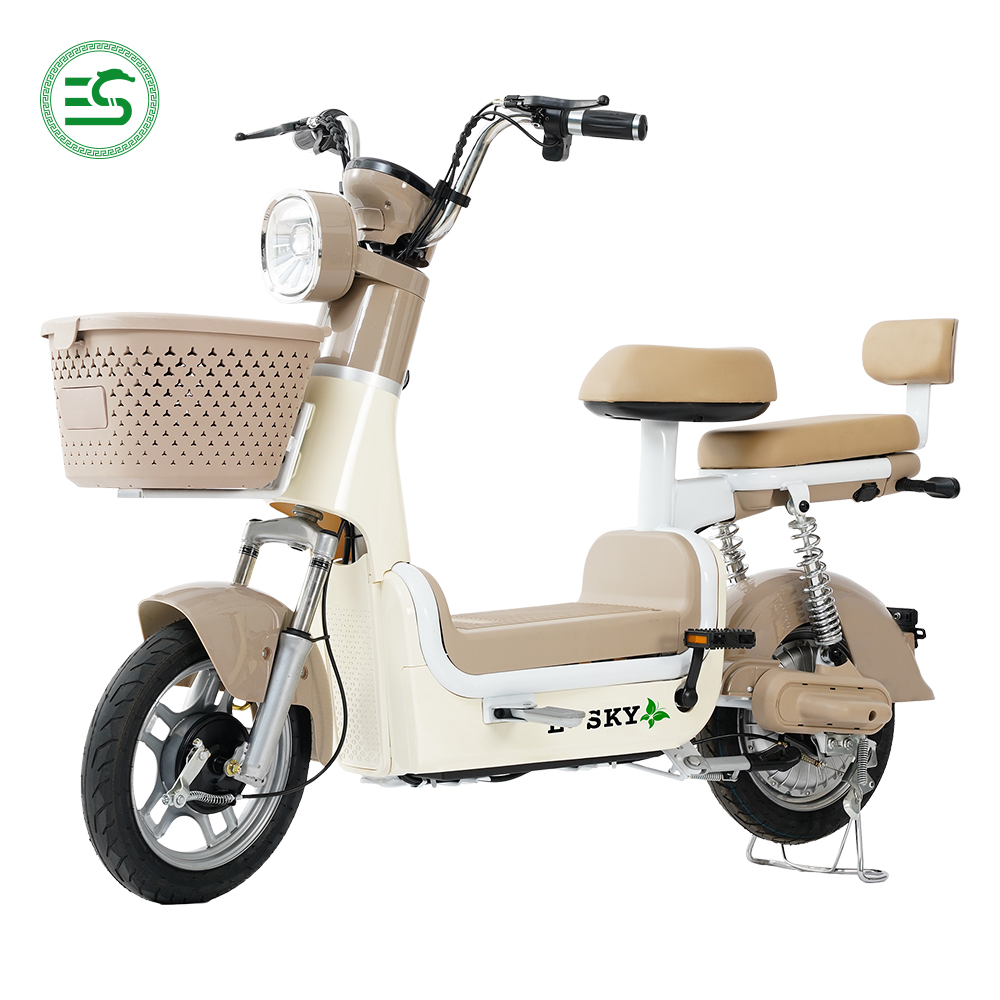
Understanding this mechanical superiority requires looking beneath the surface. Entry-level transit devices rely on solid rubber tires or rudimentary metal springs to handle bumps. While functional for perfectly smooth pavement, these basic setups fail under the stress of real-world commuting. A premium hydraulic fork electric scooter adapts technology directly from high-performance motorcycles. This changes the fundamental physics of the ride.
To appreciate the engineering, one must break down the core components. The system consists of the stanchion inner tube connected to the headset, the slider outer tube connected to the wheel axle, the hydraulic cartridge, and the fluid chamber. Inside the chamber sits specialized, temperature-resistant suspension oil. When the front wheel hits an obstacle, the stanchion pushes down into the slider. This forces the internal piston to push oil through precision-machined valves.
The true magic lies in fluid dynamics. Hitting a steep curb transfers massive kinetic energy into the fork. The physical resistance of thick oil passing through tiny valve orifices absorbs this energy spike. The system converts kinetic energy into trace amounts of thermal heat. The impact force dissipates entirely before reaching the handlebars.
Engineers distinguish strictly between absorbing a shock and dampening it. A standard metal spring absorbs a shock by compressing, but physics dictates that the compressed spring must forcefully expand again. This releases stored energy and causes a bouncy ride. Hydraulic systems provide active dampening. They control the speed at which the fork compresses and the speed at which it extends back to its original position. This controlled fluid resistance stops the bouncing aftermath and keeps the chassis perfectly level.
Buyers frequently face a choice between traditional coil springs and hydraulic forks. Understanding the exact performance differences is crucial for making an informed purchasing decision.
Coil springs are inexpensive to manufacture and require virtually no maintenance. However, they suffer from the dreaded pogo stick effect. When a spring-only scooter hits a deep pothole, the spring compresses to absorb the initial blow. Immediately after, it violently rebounds, launching the front end upward. At speeds exceeding 15 mph, this rapid oscillation makes the vehicle feel unstable and difficult to steer.
In contrast, hydraulic forks solve the rebound problem entirely. The internal oil must pass through restrictive valves during both the downward compression stroke and the upward rebound return. This strict movement control creates a planted sensation. The tire tracks pavement contours smoothly rather than skipping erratically over them.
The most effective Hydraulic Fork Electric Scooter designs utilize a hybrid approach. A heavy-duty steel spring supports the physical weight of the rider, known as the preload. Meanwhile, the hydraulic oil cartridge strictly dampens the movement of that spring. This dual-action engineering provides the ultimate balance of weight support and vibration control.
Feature | Traditional Coil Spring | Hydraulic Fork Suspension |
|---|---|---|
Shock Absorption | High initial absorption, but bounces heavily. | Smooth, controlled absorption with zero bounce. |
Rebound Control | None. Energy is returned immediately. | Excellent. Fluid valves control return speed. |
High-Speed Stability | Poor. Prone to steering vibrations over 15 mph. | Exceptional. Keeps the front wheel firmly planted. |
Adjustability | Typically limited to basic preload adjustments. | High adjustability with compression and rebound dials. |
Maintenance | Zero maintenance required. | Requires occasional seal checks and fluid servicing. |
Upgrading to a sophisticated suspension system is not merely about luxury. It fundamentally alters the safety, ergonomics, and capabilities of the vehicle.
Picture yourself gliding over a century-old brick pathway. These surfaces generate high-frequency micro-vibrations. On a rigid setup, these vibrations travel directly up the steering column, causing a buzzing sensation in the rider's hands and wrists. Over a 30-minute commute, this leads to numbness and joint fatigue. Hydraulic fluid is exceptionally efficient at filtering out these high-frequency buzzes, isolating the rider from the harshness of the road surface.
Sudden deep impacts are the greatest threat to both machine and rider. A basic suspension often bottoms out where the spring compresses completely. This results in a violent metal-on-metal clunk that transfers remaining force directly into the frame. Hydraulic forks feature progressive dampening. The further the fork compresses, the more resistance the fluid provides. This effectively prevents the suspension from bottoming out even during severe impacts.
As transit options become more powerful, chassis stability becomes critical. Speed wobble is a dangerous phenomenon where the front wheel oscillates left and right rapidly. It is often triggered by poor tire contact with uneven pavement. Fluid dampening keeps the front wheel firmly pushed against the ground. By absorbing lateral disruptions, it drastically reduces the risk of high-speed steering wobble.
Braking performance relies heavily on suspension dynamics. During hard emergency braking, the rider's weight shifts drastically to the front wheel. If the suspension is bouncy, the front tire will literally skip across the pavement, causing mechanical brakes to lose traction. Active dampening ensures the tire tread remains pressed into the asphalt. This maximizes friction and significantly shortens emergency stopping distances.
Not all hydraulic systems meet exacting manufacturing standards. Discerning buyers should look for specific engineering markers that indicate a high-quality build.
Travel refers to the maximum distance the fork can compress from its resting state. For standard city commuting, demand a travel distance of 50mm to 70mm. This spec ensures the fork has enough physical room to dissipate large impacts without bottoming out. For hybrid or off-road models, seek a travel distance of 80mm to 100mm.
The best investments feature high adjustability. Look for a hydraulic fork electric scooter for short trips equipped with CNC-machined dials at the top or bottom of the fork legs. Compression adjustment dictates how easily the fork pushes down. Rebound adjustment dictates how fast it bounces back. Heavier riders benefit from stiffer compression, while lighter riders can dial it back for a compliant ride.
Suspension fluid is kept inside the fork by rubber seals and dust wipers. High-grade aluminum alloy stanchions with hard-anodized coatings are mandatory. They reduce friction and prolong the life of these seals. Ensure the manufacturer highlights robust sealing mechanisms, as a blown seal will leak oil and compromise the dampening effect.
A suspension system is only as good as the tires it is paired with. For maximum comfort, pair these forks exclusively with air-filled pneumatic tires. Solid rubber tires transfer too much initial shock into the chassis, forcing the internal valves to overwork. The combination of pneumatic tires and fluid dampening creates the ultimate smooth-ride synergy.
Transitioning to a highly engineered Hydraulic Fork Electric Scooter E-Bike Short Trip requires a higher initial capital expenditure. However, a structural economics analysis reveals that the long-term operational efficiency justifies the investment.
The most expensive component of any electric scooter is the lithium-ion battery pack. These packs consist of individual cells connected by thin nickel strips spot-welded into place. When a scooter with a rigid suspension travels over uneven pavement, high-frequency micro-vibrations transmit directly into the battery compartment. This mechanical stress causes spot welds to fracture. Fluid dampening drastically reduces the transmission of these destructive frequencies, effectively extending the operational life of the delicate battery pack.
Furthermore, the folding mechanism and the stem bear the brunt of the rider's weight during sudden decelerations. Constant jarring creates micro-fissures in the alloy and wears down locking latches. By absorbing the initial shock and controlling the rebound, hydraulic systems reduce the peak mechanical stress exerted on the stem by up to forty percent. This reduction in mechanical wear means the vehicle remains functional and safe for thousands of miles longer.
While highly durable, these complex mechanical systems require a baseline level of practical maintenance to protect your investment.
The most effective maintenance is simply keeping the fork clean. After riding through dusty or wet environments, take a clean microfiber cloth and gently wipe down the exposed stanchion tubes. Abrasive dirt acts like sandpaper against the rubber dust wipers as the fork compresses. Left unchecked, this dirt will eventually tear the seals and cause leaks.
Perform a visual inspection of the fork every few weeks. Look closely at the point where the inner tube enters the outer lower tube. A slight, nearly invisible film of oil is normal lubrication. However, thick dirty rings of oil or dripping fluid indicate a failed seal. This requires immediate attention to prevent internal metal-on-metal scoring.
Suspension fluid degrades over time due to heat and micro-contaminants. General engineering guidelines suggest having the forks serviced every 1,000 to 1,500 miles. This process involves draining the old oil, replacing the seals, and adding fresh fluid. For sealed cartridge systems, the entire cartridge may simply be replaced when it reaches the end of its lifecycle.
Comfort and safety dictate your daily riding habits. Advanced fluid suspensions turn basic recreational devices into serious, dependable commuting vehicles. They effortlessly absorb harsh impacts, neutralize dangerous road vibrations, and keep the tires glued to the pavement. For speeds over 15 mph, this level of engineering is an absolute necessity. It protects your joints, preserves delicate battery components, and transforms the way you navigate the urban landscape. Explore premium suspension options to upgrade your daily commute and find the perfect hydraulic fork electric scooter tailored to your local terrain at Esky Vehicle today.
While mechanically possible in specific scenarios, upgrading a rigid scooter to a fluid-dampened system is generally not recommended. The integration of a front suspension requires precise steering geometry. The headtube diameter, rake angle, and trail must align perfectly. Attempting to retrofit a fork not designed for your specific chassis can alter the center of gravity, making the vehicle highly unstable at commuting speeds. Purchasing a purpose-built model engineered from the ground up to accommodate fluid dynamics is significantly safer.
Yes, they require a slightly higher degree of routine maintenance compared to basic coil springs. Fluid systems rely on a sealed chamber of specialized oil and rubber dust wiper seals. Over time, microscopic dirt particles can bypass the wipers, contaminating the oil and degrading its viscosity. Manufacturers recommend a visual inspection of the stanchions every few weeks and a full fluid service every 1,000 to 1,500 miles. The massive leap in ride quality and vehicle longevity makes this minor upkeep worthwhile.
These forks are intrinsically heavier than basic spring setups because they require robust aluminum outer lowers, internal cartridges, and suspension fluid. However, this additional weight is actually beneficial for vehicle dynamics. While it increases unsprung mass slightly, active dampening keeps the front tire firmly planted against the pavement. On premium models, the minor weight penalty is completely negligible compared to the tremendous gains in high-speed stability.
A fluid leak will not cause the front end of the scooter to collapse. Modern forks utilize a dual-system architecture. One leg of the fork contains the spring element which supports the rider's body weight. The hydraulic fluid is housed in a separate dampening circuit. If a seal blows, you will experience a total loss of dampening, causing the scooter to suddenly feel bouncy. You should reduce your speed, ride cautiously to your destination, and have the fork serviced by a professional.
With proper maintenance, a high-quality hydraulic fork will last the entire lifespan of the electric scooter frame, typically exceeding 10,000 miles. The external aluminum stanchions and lowers are incredibly durable. The internal wear items, specifically the rubber seals and the suspension oil, are designed to be replaceable. By adhering to the recommended 1,500-mile service intervals to replace the degraded oil and worn dust wipers, the core structural components will continue to function flawlessly for years.
Yes, advanced fluid dampening directly contributes to the longevity of the battery management system and the individual cell connections. Rigid frames transfer high-frequency road vibrations directly into the battery deck. This continuous mechanical resonance is the leading cause of spot-weld failure between lithium-ion cells. By absorbing and neutralizing these specific destructive frequencies before they reach the deck, hydraulic forks protect the structural integrity of the battery pack, preventing costly premature electronic failures.


