
Views: 0 Author: Site Editor Publish Time: 2026-10-20 Origin: Site


Navigating daily city traffic requires more than just a battery and a motor. It demands reliable contact with the ground. From grinding traffic congestion to unpredictable weather patterns, city dwellers constantly seek efficient, sustainable, and reliable modes of transportation. Micro-mobility has emerged as the definitive solution for bridging the critical last-mile gap between transit stations and final destinations.
However, transitioning to two-wheeled urban travel reveals the hidden dangers of city infrastructure. Urban roads are riddled with hazards often invisible to the untrained eye. Slick wet pavement, metal utility grates, painted crosswalk lines, and sudden potholes pose continuous threats to rider stability. Standard scooter tires frequently utilize hard plastics or smooth profiles to maximize battery range. Consequently, they fundamentally fail to maintain adequate traction under these demanding conditions.
To address these critical safety concerns, mobility engineers have developed targeted hardware solutions. Investing in a purpose-built Anti-Slip Tire City Electric Scooter is now recognized as the most reliable method to ensure stability during daily urban riding. This technical guide explores the objective mechanics of anti-slip technology, analyzes street hazards, details essential riding kinematics, and provides a clear engineering roadmap for choosing your next commuter vehicle.
Prioritized Safety: Specialized tread patterns and silica-enhanced rubber compounds drastically reduce stopping distances and prevent lateral skidding on wet surfaces.
Infrastructure Awareness: Recognizing urban obstacles—such as metal grates and painted lines—is critical, as these surfaces possess significantly lower friction coefficients than standard asphalt.
Technological Synergy: High-traction tires enhance the operational efficiency of electronic braking systems and mechanical disc brakes by preventing premature wheel lock-up.
Rider Skill Integration: Mastering basic riding kinematics, including proper weight distribution and emergency braking techniques, maximizes the physical effectiveness of specialized tire technology.
Smart Investment: Selecting a scooter with a 350W to 500W motor, proper suspension, and a verified IPX5 rating ensures a safer, long-lasting commute.
Recent analyses of urban transportation data reveal a significant paradigm shift within the micro-mobility sector. Early iterations of electric scooters prioritized maximum battery range and extreme top speeds. Today, driven by global urban traffic studies and clinical data on commuter incident rates, the industry trend has pivoted sharply toward safety-first engineering.
Specifically, transit authorities and safety advocates emphasize that high-traction tire technology is no longer an optional luxury. It serves as a baseline requirement for consumer protection. Market data indicates a surging demand for vehicles engineered to handle adverse weather and deteriorating infrastructure. This evolution reflects a maturing market where riders value consistent, safe performance over raw speed, forcing manufacturers to rethink tire compounds and chassis stability.
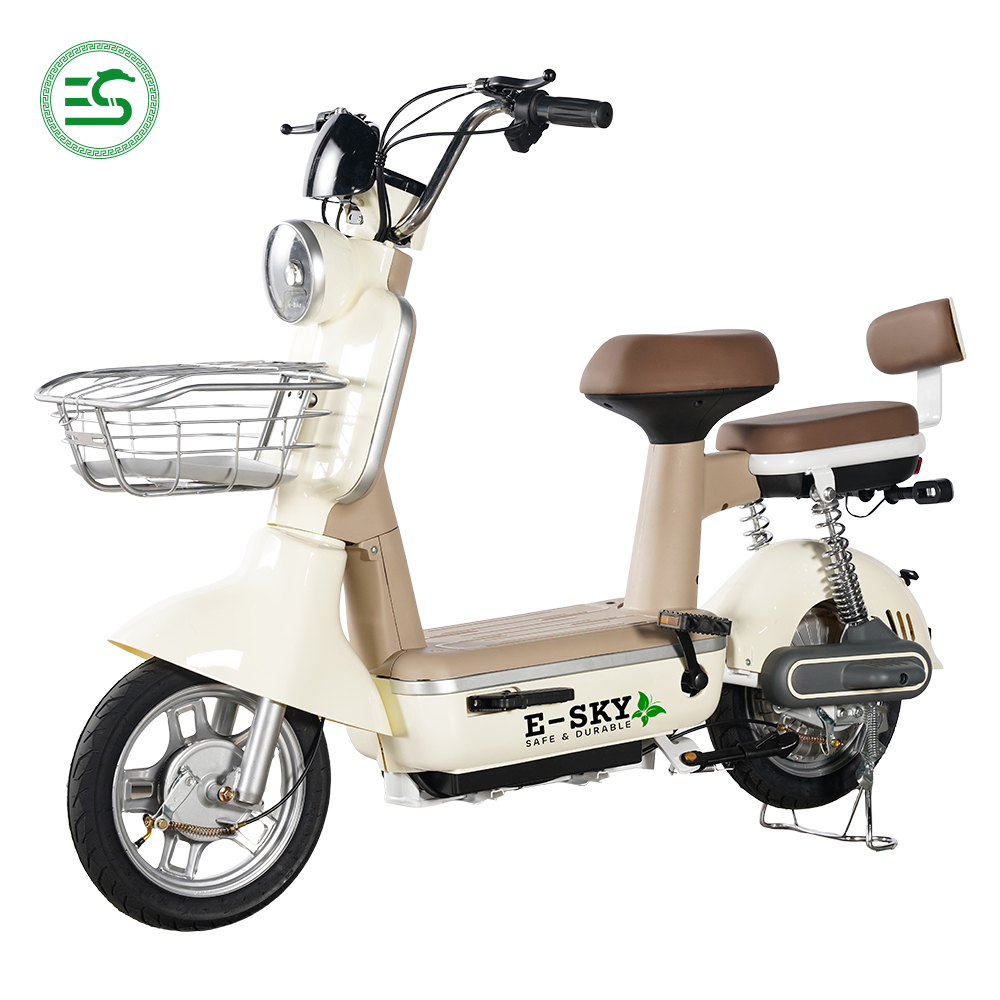
Weather conditions dynamically alter the safety profile of city streets. While heavy rain is an obvious hazard, riders face equal danger from morning dew, light drizzle, or the residual moisture left by municipal street sweepers. Rainwater mixes with accumulated motor oil, exhaust particulates, and urban dust to create a highly viscous film on the asphalt. This initial rain phenomenon creates extremely slippery conditions.
Standard scooter tires are highly susceptible to hydroplaning in these environments. Without proper water evacuation channels, water pressure builds up in front of the smooth rubber. This pressure lifts the tire entirely off the road surface. Once hydroplaning initiates, the friction coefficient drops to near zero, and the rider instantly loses steering and braking capabilities.
Beyond weather, static city infrastructure presents continuous traction challenges. Commuters frequently traverse metal utility covers, subway ventilation grates, and tactile paving. Because metal surfaces lack the porous texture of asphalt, a wet steel manhole cover acts exactly like black ice.
Furthermore, the thermoplastic paint used for crosswalks and bike lane demarcations fills the natural texture of the road. This creates a glass-like surface. Leaning into a turn over a wet painted line with standard tires frequently results in an immediate lateral slip. Striking a pothole with a hard-compound tire causes severe deflection, forcing the handlebars out of alignment and destabilizing the rider.
The effectiveness of an electric scooter designed for daily city riding relies heavily on contact patch optimization. Anti-slip tires feature deep, directional grooves known as sipes. As the tire rolls forward, downward pressure forces water into these channels and disperses it outward. This mechanical action ensures the solid rubber blocks maintain direct physical contact with the rough micro-texture of the road.
Material composition is equally vital. Instead of the hard, durable plastics used in budget models, anti-slip variants utilize softer rubber blends often enhanced with silica. This allows the tire to remain pliable across various temperatures, micro-adjusting to the rough asphalt to generate superior mechanical grip.
Feature | Standard Scooter Tires | Anti-Slip Technology Tires | Commuter Benefit |
|---|---|---|---|
Tread Pattern | Smooth profile or shallow grooves | Deep, directional sipes | Prevents hydroplaning by channeling water away from the contact patch. |
Material Compound | Hard polyurethane or basic plastic-rubber | Silica-enhanced soft rubber blends | Maintains mechanical grip across varied temperatures and slick surfaces. |
Obstacle Handling | High deflection, bounces off bumps | Absorbs micro-impacts and conforms to terrain | Keeps the wheel planted when crossing metal grates or tactile paving. |
Braking Synergy | Prone to immediate skidding under hard braking | High friction threshold synergizes with E-ABS | Drastically reduces emergency stopping distance without lateral washout. |
Even the most advanced hardware requires proper rider biomechanics to function optimally. The parallel foot placement used by many beginners is inherently unstable. In contrast, adopting a staggered stance—resembling a skateboarder—widens your base of support along the axis of travel. Place one foot near the front of the deck and the other toward the rear.
Crucially, keep your knees slightly bent rather than locked. Bent knees act as biological shock absorbers. When you hit a bump or uneven pavement, your legs absorb the kinetic energy. This allows your upper body to remain stable while keeping the tires firmly planted on the ground.
Emergency braking requires active weight management. Because the center of gravity on a standing scooter is relatively high, aggressive braking transfers weight forcefully to the front wheel. To counter this and prevent going over the handlebars, physically shift your hips backward and lower your center of gravity just before pulling the brake levers.
Cornering safely on slick streets demands a conservative approach. Decelerate in a straight line before entering a turn. While leaning into the curve, avoid sudden acceleration or sharp braking. Asking the tire to handle cornering forces and braking forces simultaneously can easily exceed its grip threshold, leading to a dangerous lateral washout.
Tires are wear items that degrade over time through friction and environmental exposure. For your vehicle to function as engineered, routine inspection is mandatory. Check the tread depth weekly. If the water-evacuation grooves are worn smooth, the tire's anti-slip properties are severely compromised, and immediate replacement is necessary.
For pneumatic models, maintaining the manufacturer recommended tire pressure—usually between 40 to 50 PSI—is critical. Under-inflated tires increase the risk of pinch flats and reduce top speed. In contrast, over-inflated tires decrease the size of the contact patch, completely negating the anti-slip benefits.
In addition, the lithium-ion battery packs powering modern scooters require disciplined maintenance. Avoid discharging the battery to zero percent, as deep discharges stress the cell chemistry. Ensure your scooter is stored in a dry, temperature-controlled environment and unplugged once fully charged to preserve battery longevity.
Translating abstract safety concepts into a purchasing decision requires looking at specific engineering parameters. When evaluating the market, commuters should demand vehicles that holistically integrate propulsion, suspension, and traction technologies.
The motor dictates how well you navigate urban topography. For flat terrain, a 250W motor may suffice. However, cities with varying inclines and bridges require robust power delivery. A nominal brushless hub motor output of 350W to 500W provides sufficient torque to climb standard urban hills without stalling in moving traffic.
A scooter equipped to handle wet roads must possess internal electronics capable of surviving moisture. Seek an IPX5 rating or higher. This ensures the battery housing and motor controllers are protected from low-pressure water jets, making the vehicle suitable for riding through puddles and moderate rain.
Look for 8.5-inch to 10-inch anti-slip honeycomb solid tires or reinforced pneumatic tires. Larger diameters roll over potholes with significantly less deflection. Pairing these high-traction tires with a dedicated front spring or rear hydraulic suspension system ensures the vehicle tracks the contours of the road perfectly.
To guarantee these specifications are met, choosing a verified Anti-Slip Tire City Electric Scooter from a reputable manufacturer transforms a risky commute into a controlled, safe experience.
City riding does not have to be a hazardous endeavor if you are properly equipped and informed. Unpredictable weather and deteriorating infrastructure are constants in urban environments. However, the risks they pose can be heavily mitigated through smart hardware choices and defensive riding habits. Upgrading to a specialized commuter vehicle is a direct investment in your personal safety, commuting efficiency, and daily peace of mind.
By prioritizing anti-slip technology, adhering to strict maintenance routines, and respecting local traffic dynamics, you take control of your commute. Ready to upgrade your daily ride? Evaluate your local terrain, match it with the right engineering specs, and explore the high-performance Anti-Slip Tire Electric Scooters at ESKY to ensure a secure, enjoyable journey every single day.
While anti-slip tires provide excellent mechanical grip and prevent hydroplaning on wet roads, caution is still required. You must check your specific scooter's IP water-resistance rating—IPX4 or IPX5 is recommended for wet conditions—to ensure the electronics are protected. Even with superior traction, you should always ride at reduced speeds and brake earlier when it is raining.
Both have unique engineering advantages. Pneumatic, or air-filled, tires offer a wider contact patch and naturally conform to road irregularities, providing exceptional grip and shock absorption. Conversely, modern solid honeycomb tires feature deep anti-slip textures molded into high-friction rubber. They provide highly reliable traction without the risk of pinch flats, making them ideal for low-maintenance city riding.
The lifespan of a scooter tire depends heavily on riding style, rider weight, and road conditions. On average, high-quality anti-slip tires last between 1,000 to 2,000 miles. Frequent harsh braking and rough urban terrain can accelerate tread wear. It is crucial to visually inspect the water-evacuation grooves regularly and replace the tires once they begin to smooth out.
Legal requirements vary drastically by country, state, and municipality. Generally, low-speed electric scooters capped under 15 to 20 mph do not require a formal driver's license, though age restrictions usually apply. Always consult your local Department of Transportation guidelines to ensure full legal compliance before commuting.
Metal surfaces are notoriously slick when wet. The safest technique is to cross tram tracks and expansion joints at a 90-degree angle. This prevents your small wheels from slipping into the grooves. Keep your handlebars straight, avoid braking or accelerating while directly over the metal, and let your momentum carry you across.
No hardware can prevent all accidents. While specialized tires drastically reduce the risk of lateral skidding and significantly improve braking performance, they are not a substitute for safe riding practices. Rider awareness, maintaining a safe following distance, defensive driving, and strictly following traffic laws remain equally critical to your overall safety.
Urban streets are covered in grease, oil, and micro-debris that can pack into your tire's tread grooves, reducing their water-evacuation capabilities. A simple maintenance routine involves wiping down the tires weekly with a damp cloth or a stiff nylon brush and mild soapy water. Keeping the grooves clear of packed dirt ensures the anti-slip features function exactly as engineered.
Tire diameter plays a massive role in vehicle dynamics. Larger tires, typically ranging from 8.5 to 10 inches, possess a shallower angle of attack. This allows them to roll over potholes, debris, and uneven pavement joints much more smoothly than smaller 6-inch wheels. Upgrading to a larger anti-slip tire directly translates to a more stable, less jarring commute.
While softer silica compounds slightly increase rolling resistance compared to hard plastics, they prevent energy waste. Standard tires frequently suffer from micro-slippage during acceleration, which wastes motor torque. Anti-slip tires ensure that 100 percent of the motor's energy is transferred directly to the pavement, resulting in highly efficient forward momentum that offsets minor rolling resistance penalties.


