
Views: 0 Author: Site Editor Publish Time: 2026-11-13 Origin: Site


Tired of feeling every jarring bump on your standard commuter board? Those bone-rattling vibrations on rough city roads quickly turn an exciting morning ride into an exhausting physical ordeal. Fortunately, the emergence of the dual shock electric scooter represents a genuine game-changer. It bridges the gap between high-performance off-road capability and everyday urban comfort. This engineering guide helps you navigate the complexities of suspension mechanics, motor torque, and chassis build quality.
Recent industry analyses highlight a massive transition in personal transport preferences. Commuters are no longer satisfied with ultra-lightweight rigid boards. As urban infrastructure continues to age, featuring cracked pavements and unexpected potholes, rider demand has shifted heavily toward micro-mobility luxury. Market data indicates a surge in full-suspension adoption, driven by riders expanding their daily travel radius. People want vehicles capable of handling the unpredictability of modern streets without causing joint strain. Specifically, this trend pushes manufacturers to prioritize fatigue reduction alongside raw acceleration.
At its core, a dual shock electric scooter is engineered to isolate the rider's deck from the unsprung mass of the wheels. Standard rigid-frame models transfer kinetic energy directly from the pavement to your ankles. In contrast, an independent suspension mechanism structurally separates the standing platform from the terrain.
When your front tire strikes a curb, the impact generates a sudden upward force. High-tension springs and hydraulic dampers intercept this energy. The shock absorber compresses to soak up the initial hit. Immediately after, the damping valve restricts fluid flow to control the rebound velocity. This precise mechanical sequence prevents the chassis from bouncing uncontrollably, keeping your posture completely relaxed.
Each end of the vehicle performs a specialized task. The front shock primarily absorbs head-on collisions with obstacles, preventing jarring forces from ripping the handlebars from your grip. Meanwhile, the rear shock stabilizes dynamic weight shifts. By keeping the rear tire firmly pressed against the asphalt during aggressive acceleration, it converts electrical power into forward motion rather than wasting it on wheel spin.
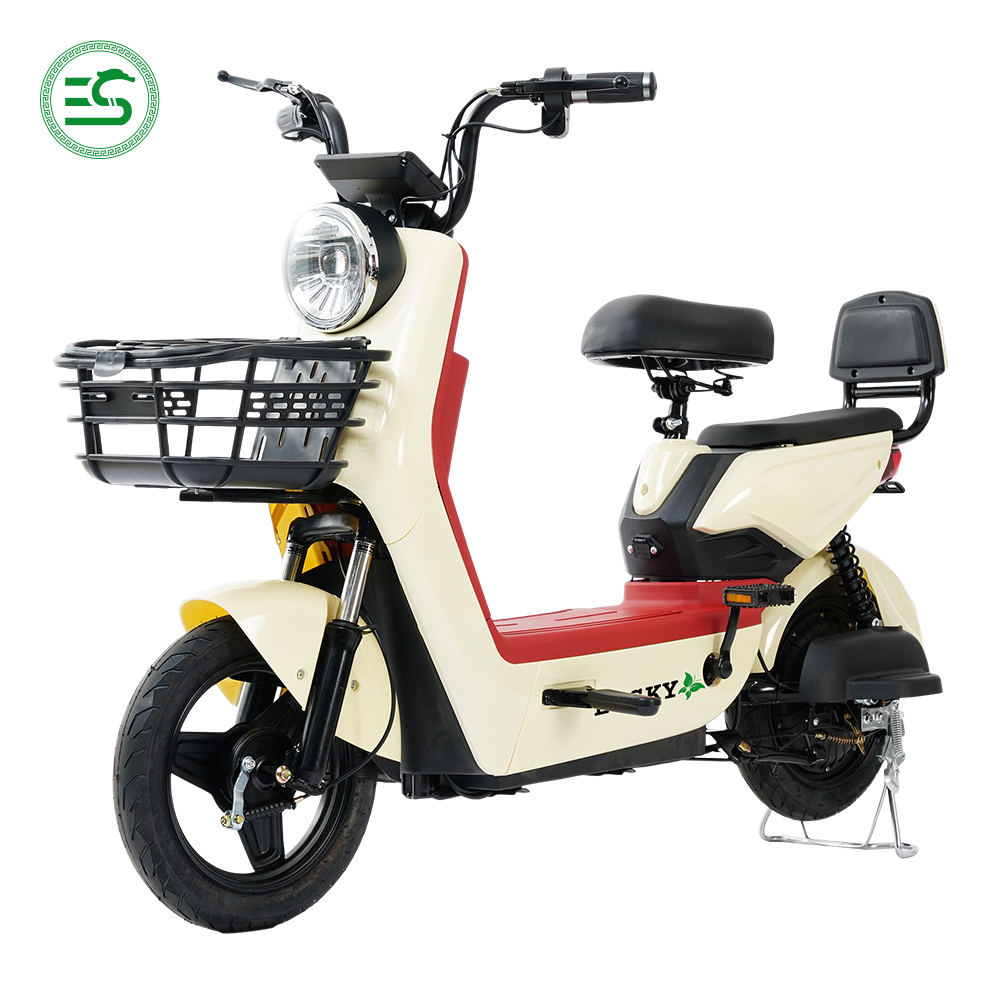
Moving from a stiff frame to a specialized all-terrain model fundamentally alters the riding experience. You stop scanning the road for every tiny crack and start enjoying the journey.
Riding over brick paths on a regular board sends constant high-frequency shocks through your lower back. By allowing the wheels to track uneven surfaces independently, a premium dual shock electric scooter allows you to maintain a neutral stance. You no longer need to lock your knees and act as a human shock absorber. This translates directly to zero fatigue over long-distance commutes.
Safety relies entirely on tire-to-ground contact. Hitting a bump at 20 mph on a rigid board causes the tires to lose contact with the road, rendering your brakes useless for crucial milliseconds. A dual-suspension setup forces the rubber down into the road topography. This constant grip delivers the braking confidence required for sudden stops in heavy traffic.
To understand the commercial and practical value, we must look at the direct engineering differences.
Feature | Standard Rigid Scooter | Dual Shock Electric Scooter |
|---|---|---|
Vibration Damping | Relies entirely on tire compression. High fatigue. | Mechanical isolation via springs and hydraulics. Zero fatigue. |
Traction Control | Skips over bumps, losing brake effectiveness. | Tires track the terrain, maintaining 100% brake contact. |
Chassis Lifespan | Welds crack over time due to repeated impact stress. | Shocks absorb kinetic energy, protecting the main frame. |
Terrain Capability | Strictly smooth asphalt. | Gravel, dirt trails, and broken city streets. |
Suspension is just one piece of the puzzle. Matching your motor and battery configuration to your specific environment is critical for a high-return investment. Use these exact parameters when evaluating models.
For flat suburban streets, a single rear motor paired with dual suspension keeps the total weight manageable while delivering a plush ride. However, if your route includes mud, loose gravel, or steep inclines, dual motors are mandatory. Engaging an All-Wheel Drive system with dual 1000W motors provides the raw torque needed to conquer 30-degree grades without stalling.
Heavy suspension frames and rough terrain create high rolling resistance. This drains power rapidly. Do not settle for low-capacity cells. An optimal all-terrain setup requires a 48V or 52V system paired with at least an 18Ah battery. Furthermore, this density ensures you maintain top speed without experiencing voltage sag halfway through your journey.
Solid tires destroy the benefits of a good suspension system. You must specify large 10-inch to 11-inch pneumatic tires with a deep off-road tread pattern. These air-filled tires act as the primary micro-vibration filter, working in tandem with the mechanical shocks.
Examine the ground clearance. A robust dual shock electric scooter needs enough height to clear rocky trails without bottoming out. The chassis should utilize aerospace-grade aluminum to protect the under-deck battery housing from catastrophic impact damage.
High-performance machines demand specific care protocols. Keeping your investment in peak condition requires looking beyond the basic wipe-down.
Suspension stanchions are constantly exposed to grit. After navigating wet or muddy conditions, immediately clean the shock shafts with a microfiber cloth. This prevents abrasive dirt from tearing the rubber hydraulic seals. If pivot points begin to squeak, apply a targeted silicone-based lubricant. Never use standard penetrating oils, as they attract more debris.
Aggressive all-terrain riding introduces heavy vibration frequencies to the chassis. You must use an Allen key to torque-check all structural folding mechanism bolts every two weeks. In addition, inspect the brake pad thickness monthly. Heavy vehicles carrying high momentum require flawless stopping power.
Investing in a high-end suspension model offers a superior cost-to-value ratio compared to entry-level alternatives. Budget rigid frames inevitably develop rattles and loose steering columns within months. By shielding the internal electronics and battery from violent impacts, a premium damping system extends the total vehicle lifespan by years.
Upgrading your ride is the most effective way to eliminate the physical toll of daily travel. Stop compromising on comfort and safety. Ready to transform your daily transit into a smooth, high-performance experience? Explore the advanced configurations at esky-vehicle.com to find the exact setup that matches your terrain and range requirements.
While mechanical components like swingarms resist water, internal electronics dictate weather readiness. Always verify the Ingress Protection rating. An IP54 rating or higher handles light drizzle and damp roads effectively. Regardless of the rating, never submerge the deck in deep puddles, which forces water into the battery compartment and causes permanent failure.
Yes, they carry significantly more mass. The addition of heavy-duty swingarms, steel springs, and reinforced frame materials pushes the weight between 60 and 100 pounds. This added mass drastically improves high-speed stability and eliminates the dangerous speed wobbles common on ultra-lightweight commuter boards.
Engineered for heavy duty applications, most premium models safely support riders weighing between 265 and 330 pounds. Heavier riders must check maximum load limits to prevent the shocks from bottoming out over drops. Advanced models feature adjustable preload rings, allowing you to stiffen the spring rate specifically for your body weight.
Standard commuters riding mixed urban terrain should inspect their dampers every 3 to 6 months for oil leaks or grinding noises. Aggressive trail riders facing jumps and mud need to service or replace the shock cartridges every 12 to 18 months to maintain optimal rebound control.
Absolutely. A dual-motor setup paired with independent suspension is the ultimate hill-climbing tool. High-torque motors pull you upward while the dampers force the tires into the pavement. This guarantees maximum traction on loose gravel inclines, completely preventing the rear-wheel slip typical of basic models.
Many high-end models feature adjustable preload collars on the coil springs or air pressure valves on hydraulic units. For smooth city streets, you can tighten the preload for a stiffer, more responsive ride. When transitioning to rocky off-road trails, loosening the collar softens the spring rate, allowing maximum travel to absorb larger impacts.
Spring shocks use a coiled steel wire to absorb impacts and are highly durable but can feel slightly bouncy. Hydraulic shocks use fluid forced through tiny valves to control both the compression and the rebound speed. Hydraulic systems offer a much smoother, highly controlled damping experience, making them the preferred choice for premium all-terrain vehicles.


